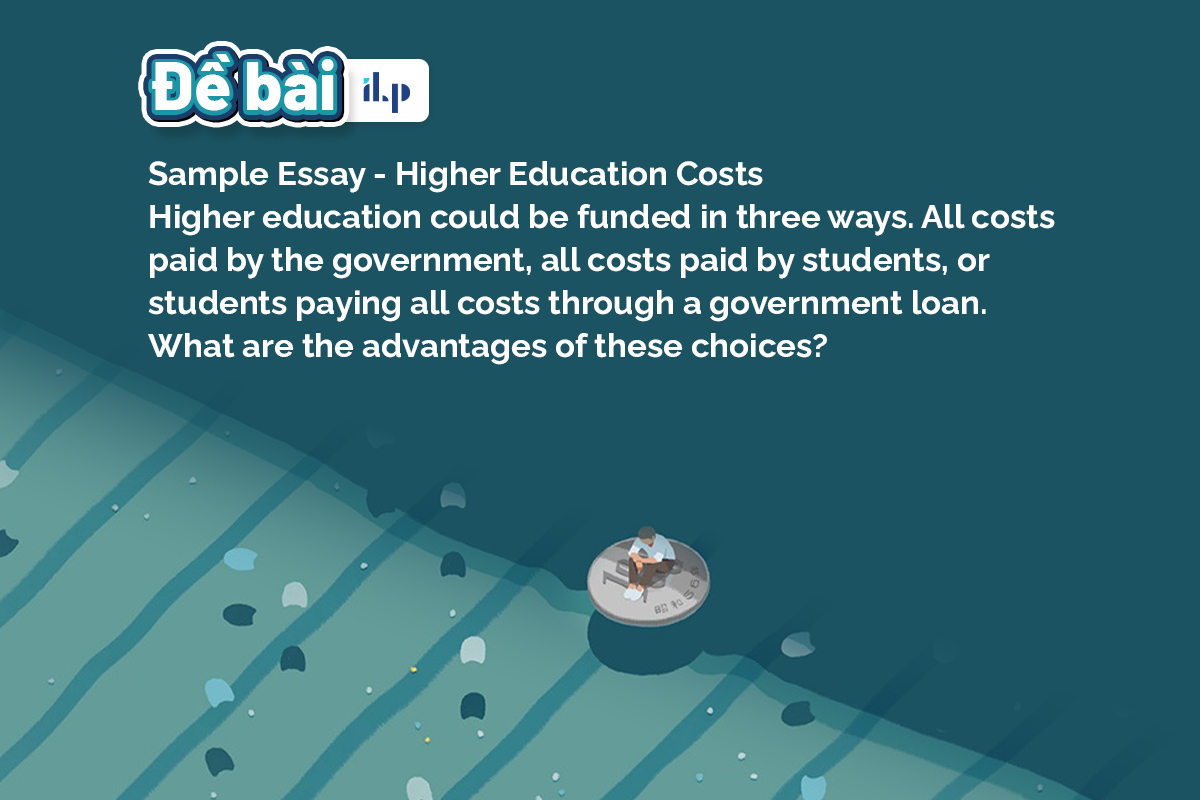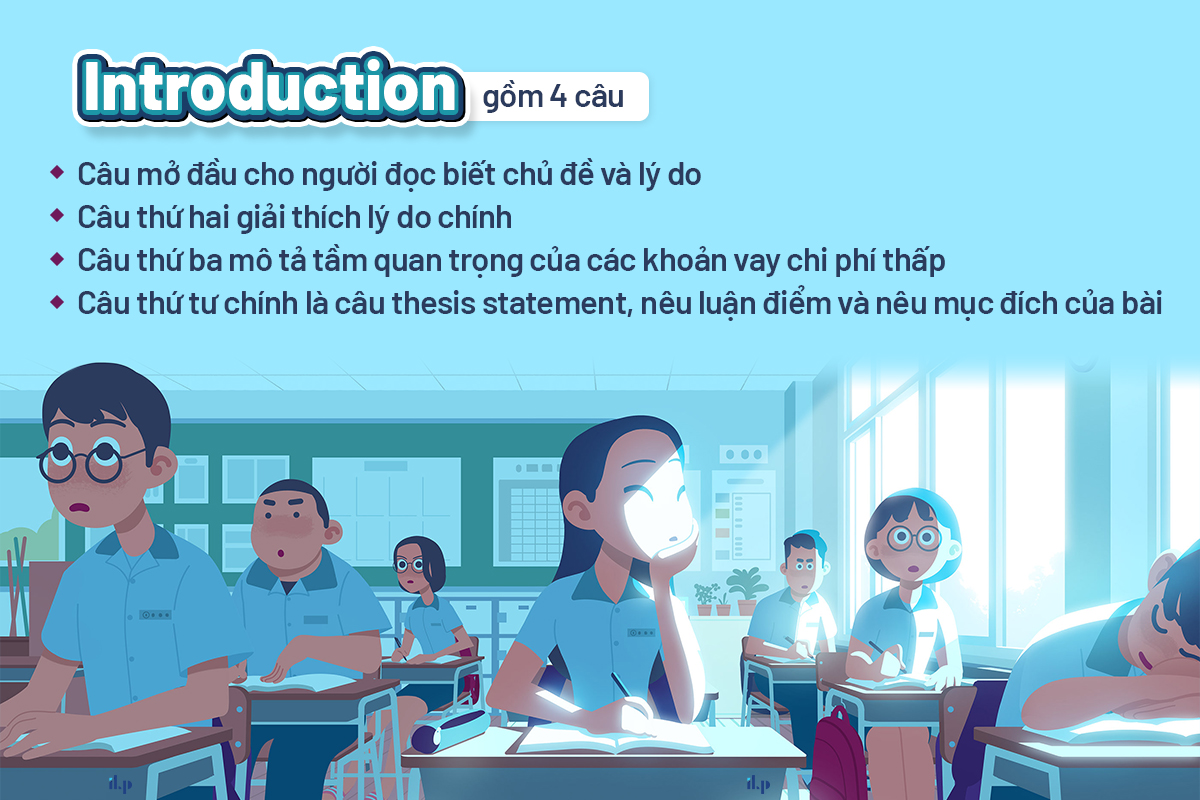
IELTS WRITING TASK 2 SAMPLE BAND 7.0+: AN INCREASE IN VIOLENT CRIME

Dưới đây là một IELTS Writing Task 2 Sample Band 7.0 -7.5. Các bạn tham khảo nhé!

LÀM THẾ NÀO ĐỂ TẬN DỤNG HIỆU QUẢ MỘT BÀI WRITING SAMPLE?

You should spend about 40 minutes on this task.

Write about the following topic: 

Recent figures show an increase in violent crime among youngsters under the age of 18. Some psychologists claim that the basic reason for this is that children these days are not getting the social and emotional learning they need from parents and teachers.

To what extend do you agree or disagree with this option?

Give reasons for your answer and include any relevant examples from your own knowledge or experience.

Write at least 250 words

bài mẫu ielts writing task 2 increase in violent 1 ilp

IELTS Writing Task 2 Sample: An increase in violent crime

Nowadays, there is an alarming problem is that violent crime rates have increased considerably, particularly among young people under 18. To me, I strongly agree that lack of education from parents is the main reason for this situation. This below essay will analyse my view clearly.

The first reason that can be easily seen is that in modern life, parents spend their time working to earn money. Obviously, there is less time to take care of and supervise their children carefully. In addition, the gap between parents and children has been expanded; so these children have rarely had chances to share their feelings to their parents as well as to learn from the family side. Moreover, there are plenty of negative mediums  such as violent films, bad things from the Internet of crime that are prominent  around us; without parents’ control, children have been influenced on those things easily.

Another factor that needs to be mentioned is that unstable marriage life has led to a surge in divorce rates. Having a broken family and shortage of love from both mother and father have caused destruction of those youngsters in their study and some significant negative impacts of their psychology. As a result, children with immature character have become more aggressive, behave rudely and particularly imitated violent films or plunged headlong into social evils.

However, it is undeniable that parents are not the only factor that leads to an increased young violent crime percentage. Since it depends on the conceit of these youngsters about protecting themselves from harmful impacts, In spite of dealing with the above situation, some of those children have lived positively. Nevertheless, from what has been considered above, parents have played a vital role to prevent growth in crime rates.

In conclusion, personality development of children is unable to be perfect without support from the family side. Furthermore, appropriate nurturing of parents not only has helped to drop crime in youngsters but also produced good citizens for our future.

Từ vựng nổi bật

Từ vựng

Nghĩa tiếng Anh

Nghĩa tiếng Việt

alarming

causing worry or fear

đáng báo động

lack of

the fact that something is not available or that there is not enough of it

thiếu, hụt

Obviously

in a way that is easy to understand or see

rõ ràng

plenty of

an amount or supply that is enough or more than enough, or a large number or amount

nhiều

divorce

an official or legal process to end a marriage

ly hôn

immature

not having much experience of something

chưa trưởng thành

rudely

in a way that is not polite

thô lỗ

Nevertheless

despite what has just been said or referred to

tuy nhiên

nurturing

to take care of, feed, and protect someone or something, especially young children or plants, and help him, her, or it to develop

nuôi dưỡng

Luyện tập thêm ở đây nè: IELTS practice Academic Writing test – Task 2

Cải thiện kỹ năng IELTS Writing cùng Đội ngũ Học thuật ILP:

ỨNG DỤNG RÚT GỌN MỆNH ĐỀ QUAN HỆ “REDUCTION OF RELATIVE CLAUSE” ĐỂ TINH GỌN BÀI VIẾT WRITING TASK 2

ỨNG DỤNG MINDMAP ĐỂ LẬP DÀN Ý BÀI IELTS WRITING HIỆU QUẢ

LỖI SAI PHỔ BIẾN KHI SỬ DỤNG TỪ ĐỒNG NGHĨA TRONG IELTS WRITING

IELTS SPEAKING SAMPLE ANSWER BAND 7.0 – 7.5: TOPIC WORK (3 PART)

Mục lục

Dưới đây là IELTS Speaking Sample Answer – câu trả lời mẫu bài Speaking Part 1, 2, 3 dành cho chủ đề Work và một số từ vựng nổi bật, các bạn tham khảo nhé!

FREE ONLINE IELTS SPEAKING PRACTICE TESTS

Part 1-style questions – IELTS Speaking Sample answer

1. What do you do?

I do a job-share with a friend in a boutique … I enjoy it … I like working with customers … unfortunately it’s only temporary work but one of the perks of the job is I get a discount on the clothes …

Từ vựng

Nghĩa tiếng Anh

Nghĩa tiếng Việt

to do a job-share

to share the weekly hours of work with another person

chia sẻ công việc

one of the perks of the job

an extra benefit you get from a job

Những giá trị khác từ công việc

temporary work

work done for a limited time only

công việc tạm thời

2. Do you have any career plans yet?

Yes … I’d like to be my own boss one day … I’m interested in programming and I’d like to create apps for myself or for other companies … I know being self employed would be a challenge but the idea of doing a nine-to-five job doesn’t appeal to me at all …

Từ vựng

Nghĩa tiếng Anh

Nghĩa tiếng Việt

to be self-employed

see ‘to be your own boss’

tự kinh doanh

to be your own boss

to have your own business

tự mình làm chủ

a nine-to-five job

a normal job that consists of an 8 hour day (approximately)

làm một công việc đều đặn 8 tiếng một ngày

3. What do you see yourself doing in 10 years time?

I’d hope to be working … not a high-powered job … but I’m quite a creative person so something where I can work with my hands would be nice … as long as I’m not stuck behind a desk doing something boring  in a dead-end job I’ll be happy …

Từ vựng

Nghĩa tiếng Anh

Nghĩa tiếng Việt

a high-powered job

an important or powerful job

công việc hiệu quả, có ảnh hưởng lớn

to be stuck behind a desk

to be unhappy in an office job

mắc kẹt trong công việc văn phòng buồn chán

a dead-end job

a job with no promotional opportunities

công việc không có cơ hội thăng tiến

to work with your hands

to do manual work

công việc có thể làm bởi chính mình

Part 2-style task – IELTS Speaking Sample answer

Describe your ideal job.

You should say:

  • what this job is
  • whether you would need any qualifications
  • whether it would be easy to find work
  • and say why you would enjoy this job in particular.

I’ve always loved watching wildlife programmes on TV and often thought how much I’d enjoy working with animals … perhaps in a safari park … something like that … you’d probably need a degree to have any chance of being called for an interview and whether there are many full-time jobs I don’t know … I’m sure a lot of parks rely on voluntary work so it might not be easy … and it probably wouldn’t be well-paid either but money isn’t everything … I’d get so muchjob satisfaction … I can’t imagine it being the kind of job where you get stuck in a rut … and I think I’d be good at it as well … I’d love to work with animals I enjoy manual work and I’m a good team player … so even though the working conditions might not be the best I think that would be my ideal job …

Từ vựng

Nghĩa tiếng Anh

Nghĩa tiếng Việt

to be called for an interview

to be invited to attend an interview

được mời đi phỏng vấn

a good team player

somebody who can work well with other people

là người có kỹ năng làm việc nhóm tốt

full-time

the number of hours that people usually work in a complete week

toàn thời gian

to be well paid

to earn a good salary

kiếm được một mức lương tốt

working conditions

the hours, salary and other entitlements that comes with the job

điều kiện lao động

manual work

work that requires physical activity

công việc thủ công

to be/get stuck in a rut

to be in a boring job that is hard to leave

Mắc kẹt trong công việc nhàm chán nhưng rất khó bỏ

voluntary work

to work without pay

công việc tình nguyện

Part 3-style questions – IELTS Speaking Sample answer

1. If there are a limited number of jobs available, who should be given priority, young people or older people with more experience?

Things are so different these days … a few years ago older employees would often take early retirement or go onto part-time contracts and there were always opportunities for younger people but now jobs are so scarce … I think younger people need to be given the chance whenever possible …

Từ vựng

Nghĩa tiếng Anh

Nghĩa tiếng Việt

to take early retirement

to retire early (retire: to reach an age when you are allowed to stop working for a living)

nghỉ hưu sớm

part-time

working less than full-time

công việc bán thời gian

2. What are some of the important things a candidate should find out before accepting a job?

Well  … you’d need to know about your area of responsibility … and your salary of course and then there are things like holiday entitlementmaternity or paternity leave … if you’re thinking of having children … and what the situation is regarding sick leave … that kind of thing …

SỬ DỤNG FILLER WORDS TĂNG SỰ TỰ NHIÊN KHI NÓI TIẾNG ANH

Từ vựng

Nghĩa tiếng Anh

Nghĩa tiếng Việt

holiday entitlement

the number of days holiday allowed

Số ngày nghỉ lễ

sick leave

time allowed off work when sick

thời gian nghỉ ốm

maternity leave

time off work given to a woman about to have a baby

thời gian nghỉ thai sản

3. What are the advantages of having your own business rather than working for someone else?

Well … unfortunately being an employee at the moment is very stressful … people have very heavy workloads … they’re always under pressure to meet deadlinesrunning your own business isn’t easy … but I do think it would be far more satisfying …

Từ vựng

Nghĩa tiếng Anh

Nghĩa tiếng Việt

a heavy workload

to have a lot of work to do

Một khối lượng công việc nặng nề

to meet a deadline

to finish a job by an agreed time

hoàn thành công việc đúng thời hạn

to run your own business

see ‘to be your own boss’

điều hành công việc kinh doanh của chính bạn

job satisfaction

the feeling of enjoying a job

mức độ hài lòng công việc

Tham khảo thêm IELTS Speaking Sample Answer nè:

IELTS SPEAKING TOPIC: FRIENDS – BÀI MẪU BAND 7.5 – 8.0

BÀI MẪU SPEAKING IELTS PART 2 BAND 6.5 – 7.0: SUCCESSFUL FAMILY MEMBER

BÀI MẪU IELTS SPEAKING BAND 7.0 – CHỦ ĐỀ FOOD

WRITING TASK 2 SAMPLE – TOPIC “WILD ANIMALS SHOULD BE PROTECTED”

Dưới đây là một bài mẫu Writing Task 2 – Writing Task 2 Sample Band 6.5. Các bạn tham khảo nhé!

LÀM THẾ NÀO ĐỂ TẬN DỤNG HIỆU QUẢ MỘT BÀI WRITING SAMPLE?

Some people believe that all wild animals should be protected. Others say that few wild animals should be protected instead.

Discuss both views and give your opinion.

Give reasons for your answer and include any relevant examples from your own knowledge or experience.

You should write at least 250 words.

đề bài topic wild animals should be protected - writing task 2 sample ilp

Writing Task 2 Sample Band 6.5

People have different opinions about saving and protecting wild animals. A group of people believe that all wild animals should be protected while others think that we should only preserve a few . The following essay  will discuss both views in detail, but I personally believe that all wild animals should be conserved.

For a number of reasons, some people believe that not all wild animals should be preserved. Firstly, they believe that the overpopulation of wild animals could become a threat to our existence. For example, should the population of Zebra and Wildebeest in Africa be protected, then the existence of these animals might become overpopulated, and as a result, they might invade the farming areas in Africa. Secondly, conserving wild animals requires a large amount of money. Many people believe that these funds should be allocated for humanity issues, as many third world countries are still struggling against starvation and deathly diseases.

However, others think that all wild animals must be protected. The main reason behind this view is that all  wild animals play an important role in the ecosystem. Should   one of these animals extinct, then the ecosystem would become unbalanced and lead to  a catastrophic effect on the environment. Another reason is that the existence of these wild animals is beneficial for human beings. Scientists have found out that some wild animals could be used as a medical treatment, such as the blood of a snake which can be used to heal skin diseases.  Another reason that forms the opinion that all wild animals are important and should be equally protected is  that if we protect some selected wild animals, others might become  extinct and  the biodiversity of the world might be severely affected.  

In conclusion, a number of people believe that we should protect all wild animals, while others think that we should only preserve some of them. Both groups have their own opinions, but I strongly believe that we should conserve all wild animals.

Từ vựng nổi bật

Từ vựng

Nghĩa tiếng Anh

Nghĩa tiếng Việt

overpopulation

the fact of a country or city, etc. having too many people for the amount of food, materials, and space available there

quá tải dân số

overpopulated

having too many people or animals for the amount of food, materials, and space available

quá đông

struggling

unsuccessful but trying hard to succeed

đấu tranh

starvation

the state of having no food for a long period, often causing death

sự chết đói

ecosystem

all the living things in an area and the way they affect each other and the environment

hệ sinh thái

extinct

not now existing

tuyệt chủng

catastrophic

causing sudden and very great harm or destruction

thảm khốc

biodiversity

the number and types of plants and animals that exist in a particular area or in the world generally, or the problem of protecting this

đa dạng sinh học

Khóa học Luyện viết tiếng Anh chuyên sâu – Writing Mindset Mastery tại ILP

writing mindset mastery web ilp new

Khóa học tập trung giúp các bạn học sinh cấp THCS, THPT và Sinh viên Đại học làm quen với lối tư duy tiếng Anh học thuật, xây dựng nền tảng, có tầm nhìn tổng quan, hiểu rõ nguyên lý và thông thạo việc viết tiếng Anh học thuật và viết tiếng Anh trong bài thi chuẩn hóa ngôn ngữ quốc tế như IELTS Academic & General Training, TOEFL iBT hay PTE Academic.

Tham khảo thông tin chi tiết và nhận tư vấn ngay TẠI ĐÂY.

ỨNG DỤNG RÚT GỌN MỆNH ĐỀ QUAN HỆ “REDUCTION OF RELATIVE CLAUSE” ĐỂ TINH GỌN BÀI VIẾT WRITING TASK 2

Mục lục

Khái niệm mệnh đề quan hệ và rút gọn mệnh đề quan hệ 

Mệnh đề quan hệ

Mệnh đề quan hệ (Relative Clause) là mệnh đề phụ đứng sau danh từ/đại từ và bổ nghĩa cho danh từ/đại từ đó bằng cách sử dụng các đại từ hoặc trạng từ quan hệ.

mệnh đề quan hệ - rút gọn mệnh đề ilp

Ví dụ:

“The dress which I bought at the supermarket yesterday is really expensive” 

Mệnh đề phụ which I bought at the supermarket yesterday được gọi là mệnh đề quan hệ, được nối với mệnh đề chính bằng trạng từ quan hệ “which”.

Mệnh đề này đứng sau và bổ sung ý nghĩa cho danh từ “the dress”, để người nghe biết đang nhắc đến “the dress” nào.

PHÂN TÍCH CÁCH SỬ DỤNG RELATIVE CLAUSE (MỆNH ĐỀ QUAN HỆ) TRONG WRITING

Rút gọn mệnh đề quan hệ

Việc ứng dụng mệnh đề quan hệ vào IELTS Writing Task 2 giúp các em ghi điểm ở phần tiêu chí “Grammar range and accuracy” vì điều này cho thấy khả năng sử dụng các câu phức. 

TIÊU CHÍ “GRAMMATICAL RANGE AND ACCURACY” TRONG IELTS WRITING TASK 2 BAO GỒM NHỮNG GÌ?

Tuy nhiên, trong một vài trường hợp, những mệnh đề quan hệ này có thể được rút gọn để làm bài viết trở nên tinh gọn và tự nhiên hơn.

Ví dụ: 

Young people who spend too much time playing video games are missing out on important social connection.

Có thể được rút gọn thành:

Young people spending too much time playing video games are missing out on important social connection.

Các trường hợp rút gọn mệnh đề quan hệ

Đại từ quan hệ đóng vai trò là chủ ngữ

Dưới đây là 03 cách rút gọn mệnh đề khi đại từ quan hệ đóng vai trò là chủ ngữ:

03 cách rút gọn mệnh đề quan hệ ilp

Rút gọn mệnh đề bằng cách dùng V-ing

rút gọn mệnh đề bằng cách dùng v-ing ilp

Đối với mệnh đề quan hệ ở dạng chủ động, các em có thể tinh gọn câu văn của mình bằng cách:

  • lược bỏ đại từ quan hệ
  • chuyển động từ chính sang dạng V-ing ( nếu chưa ở dạng V-ing)

Ví dụ:

The man who is talking with Marry is my English teacher.

⇒ The man talking with Marry is my English teacher.

Young people who spend time participating in extracurricular activities and social work will learn many useful soft skills for future work.

 Young people spending time participating in extracurricular activities and social work will learn many useful soft skills for future work.

Tuy nhiên, ở dụng rút gọn này, các em cũng cần lưu ý đến 2 trường hợp đặc biệt sau đây để bài viết của mình thêm ‘xịn xò’ nhé!

LƯU Ý 1: Nếu động từ chính là to be, các em lược bỏ dạng rút gọn ‘being’.

rút gọn mệnh đề dạng chủ động - tobe ilp

Ví dụ:

The woman who was responsible for answering the phone has just been transferred to another department.

 The woman being in charge of this department has just been transferred to another department.

Tuy nhiên, nếu sau động từ to be là một tính từ, các em không làm như cách thông thường mà sử dụng phương pháp đảo ngữ tính từ lên trước danh từ:

Ví dụ:

The teacher who is strict gives us a lot of homework.

⇒ The strict teacher gives us a lot of homework.

LƯU Ý 2: Nếu sau khi rút gọn động từ “have” thành having, các em có thể đổi “having” thành with”, còn ngược lại not having” đổi thành without”.

lưu ý khi rút gọn mệnh đề quan hệ chủ động ilp

Ví dụ:

Student who have 10 correct sentences in a row will be given a prize.

 Student with 10 correct sentences in a row will be given a prize.

Drivers who don’t have a license will be punished.

⇒ Drivers without a license will be punished.

NHỮNG CẤU TRÚC NGỮ PHÁP TIẾNG ANH “ĂN ĐIỂM” CHO IELTS WRITING TASK 2

Rút gọn mệnh đề bằng cách dùng V-ed/V3

Trong trường hợp động từ của mệnh đề quan hệ đang ở thể bị động, để rút gọn mệnh đề quan hệ, người học có thể:

  • lược bỏ đại từ quan hệ
  • chuyển động từ chính sang dạng quá khứ phân từ (V-ed/V3)

Ví dụ: 

I like all the songs which were written by Alec Benjamin.

 I like books written by Alec Benjamin.

The man who was interviewed before me got hired.

⇒ The man interviewed before me got hired.

Rút gọn mệnh đề bằng cách dùng to V

rút gọn mệnh đề bằng to V ilp

Trong các mệnh đề quan hệ có chứa các từ như only, last, hoặc số thứ tự như first, second, các em có thể rút gọn mệnh đề quan hệ bằng các bước sau:

  • lược bỏ đại từ quan hệ
  • lược bỏ các động từ khuyết thiếu như can, could… (nếu có) và chuyển động từ sang dạng to-V

Ví dụ:

He was the only student who got A+.

⇒ He was the only student to get A+.

Neil Armstrong was the first man who set foot on the moon.

⇒ Neil Armstrong was the first man to set foot on the moon.

CÔNG THỨC VIẾT MỞ BÀI WRITING TASK 2 NHANH VÀ ĐÚNG YÊU CẦU

Đại từ quan hệ đóng vai trò là tân ngữ

rút gọn mệnh đề khi đại từ quan hệ là tân ngữ ilp

Trong trường hợp đại từ quan hệ chỉ đóng vai trò là tân ngữ trong mệnh đề quan hệ, các em có thể lược bỏ đại từ quan hệ mà câu vẫn đúng về mặt ngữ pháp.

Ví dụ:

I met the girl who you invited to the party yesterday.

 I met the girl you invited to the party yesterday.

Trong ví dụ này, đại từ quan hệ ‘who’ đóng vài trò là tân ngữ cho ‘invited’, do đó, các em có thể lược bỏ ‘who’ để câu văn tinh gọn hơn.

Tương tự, các em cùng cô tham khảo một vài ví dụ khác:

She is the most beautiful girl that I’ve ever met.

⇒ She is the most beautiful girl I’ve ever met.

The knife with which you cut the cake was really sharp.

 The knife you cut the cake with was really sharp.

Trong trường hợp có giới từ đứng trước đại từ quan hệ, cần đảo giới từ trong câu xuống cuối mệnh đề quan hệ nếu muốn lược bỏ đại từ.

Vậy là vừa rồi các em đã cùng cô tìm hiểu qua cách rút gọn mệnh đề quan hệ trong  IELTS Writing để bài viết ngắn gọn và xúc tích hơn. 

Mong là bài viết này phần nào giải thích được những thắc mắc về quy tắc rút gọn mệnh đề cũng như các lưu ý khi áp dụng mệnh đề đã được rút gọn vào bài viết.

Hẹn các em vào những bài viết bổ ích sau.

Đoàn Ngọc Linh

Ngữ pháp tiếng Anh trong bài thi IELTS nè:

ỨNG DỤNG INVERSION (ĐẢO NGỮ) TRONG IELTS WRITING TASK 2

CÁCH DÙNG “ALTHOUGH” ĐỂ THỂ HIỆN SỰ NHƯỢNG BỘ TRONG IELTS WRITING

9 CHỦ ĐIỂM NGỮ PHÁP TIẾNG ANH CẦN NẮM CHO BÀI THI IELTS

10 TỪ VỰNG CHUYÊN NGÀNH CHỦ ĐỀ ENVIRONMENT VÀ CÁCH SỬ DỤNG TRONG IELTS

Mục lục

Chủ đề Môi trường (Environment) luôn là chủ đề không bao giờ hết “hot” trong kỳ thi IELTS bởi tính học thuật khá cao và các vấn đề liên quan đến chủ đề này thường luôn là tâm điểm hiện nay.

Hiểu được điều đó, bài viết này sẽ cung cấp 10 từ vựng chuyên ngành về Môi trường (Environment) và cách sử dụng nó trong các phần thi IELTS, đặc biệt là trong Writing và Speaking.

07 TỪ VỰNG TIẾNG ANH MÔ TẢ MỨC ĐỘ PHỔ BIẾN/ NỔI TIẾNG (NGOẠI TRỪ FAMOUS)

Từ vựng chuyên ngành chủ đề Environment

1. Global warming (n)

Sự nóng lên của trái đất/toàn cầu

2. Climate change (n)

Biến đổi khí hậu

3. Carbon footprint (n)

Dấu chân carbon, hoặc có thể hiểu là lượng carbon thải vào khí quyển do một hoạt động của một cá nhân hay một tổ chức nào đó gây ra

4. Environmental problems (n)

Các vấn đề về môi trường

5. Dangerous/ Harmful/ Hazardous/ Poisonous/ Toxic waste (n)

Chất thải độc hại

6. Greenhouse gases (n)

Khí thải nhà kính

7. Environmentally friendly = eco-friendly (adj)

Thân thiện với môi trường

8. To fight/combat (v)

Giải quyết/ chống lại

9. Contaminated (adj)

⇒ Contaminate (v)

⇒ Contamination (n)

Bị nhiễm độc

⇒ Làm ô nhiễm

⇒ Sự ô nhiễm

10. Logging (n)

Khai thác gỗ

Cách sử dụng từ vựng chuyên ngành chủ đề Environment trong IELTS

Bài thi IELTS Speaking

câu trả lời mẫu sử dụng từ vựng chuyên ngành environment ilp

Part 1

1. Are you worried about climate change?

(Bạn có lo lắng về sự biến đổi khí hậu không?)

Definitely. In my country, the weather is changing because of global warming and we get more bad storms than before. Governments and individuals need to do more to combat climate change.

(Chắc chắn rồi. Khí hậu ở đất nước tôi đang dần thay đổi do sự nóng lên của trái đất và chúng tôi phải hứng chịu những cơn bão tồi tệ nhiều hơn trước. Chính phủ và mỗi cá nhân cần phải làm nhiều hơn nữa để chống lại sự biến đổi khí hậu này.)

2. What do you do to prevent the environment from pollution?

(Bạn làm gì để môi trường không bị ô nhiểm?)

I recycle as much rubbish as I can and I walk when possible rather than driving or taking public transport in order to reduce my carbon footprint.

(Tôi tái chế rác thải các nhiều càng tốt và đi bộ thay vì lái xe hoặc sẽ đi các phương tiện công cộng để giảm thiểu lượng carbon mà tôi đã thải ra.)

Part 3

1. What do you consider to be the most serious environmental issues in the world today?

(Theo bạn vấn đề môi trường nghiêm trọng nhất trên thế giới hiện nay là gì?)

I’d say that global warming and climate change have to come top of the list because these threaten the very future of life on our planet. There are many contributing factors such as the burning of fossil fuels, deforestation for agriculture and due to illegal logging, and large-scale livestock farming.

Another serious concern is for the marine life in our oceans which is under serious threat from pollution, especially waste plastics. These kill or injure thousands of sea creatures every day. Many species of wildlife are also being pushed to the verge of extinction by poaching. It’s shocking to think that beautiful animals such as the tiger are dying out in the wild because of the actions of human beings.

There are many other environmental problems that we need to solve but these are the ones I believe to be the most serious.

2. What examples are there of how we damage the natural world?

(Có những ví dụ nào về cách chúng ta phá hoại thế giới tự nhiên không?)

There are so many examples … there are factories that empty toxic waste into rivers and oceans … oil spills that damage the coastline …  the way we destroy vast areas of land and rain forests in search of fossil fuels or to increase agricultural production …

3. Do you think it is the responsibility of governments alone to protect the environment?

(Bạn có nghĩ rằng việc bảo vệ môi trường là một mình chính phủ chịu trách nhiệm không?)

Not at all. It’s the responsibility of every individual to do their bit to protect the environment. Of course, governments can do a lot to address environmental issues through their policies and the laws they pass. I certainly think that governments should put more pressure on the industry to use clean energy and to cut down on the emission of greenhouse gases that pollute the atmosphere and add to global warming.

In my country, the government encourages people to live an environmentally-friendly lifestyle by providing recycling services and facilities and subsidizing renewable energy by giving grants to people wanting to run their homes on solar power. If more people took advantage of this, it would certainly help the environment.

Bài thi IELTS Writing Task 2

bài mẫu writing task 2 - dùng từ vựng chuyên ngành environment ilp

Nowadays environmental problems are too big to be managed by individual persons or individual countries. In other words, it is an international problem. To what extent do you agree or disagree?

(Ngày nay các vấn đề môi trường là quá lớn để có thể quản lý bởi từng cá nhân hoặc từng quốc gia, nói cách khác, đó là một vấn đề của toàn cầu. Bạn đồng ý hay không đồng ý ở mức độ nào?)

SAMPLE:

A fundamental problem of the 21st century is world pollution. Currently, the environment is so contaminated that urgent measures should be taken. A single individual cannot be blamed for world pollution, however, every person should take care of his or her habitat. In addition, it is vital that environmental issues should be treated internationally.

Lately, many presentations, conferences, and international summits have been held regarding waste treatment, recycling, soil, and water contamination. For sure joint efforts and consolidation can only help in the mutual war towards the environmental disaster, which is going on. For instance, governments should offer support to companies and organizations, involved in manufacturing, industry, or agriculture in order to find environmentally friendly approaches. These could be special law regulations, recycling programs, helping courses in order to implement ISO certificates, and many more.

However, the influence of individuals on the environment should not be ignored. If we do not confess that our planet is our home, we will never be able to take adequate care of it. We have to contribute every day to the preservation of nature and the environment. For example, always remember to save energy by switching off lamps, computers, and everything that we do not use. Our next obligation is to separate waste and throw bulk only in the designated areas. Driving vehicles can also be environmentally friendly. For example, we must avoid accelerating the engines too rapidly or using air conditioning in the country, where it will be better to save energy and simply open the windows.

To sum up, environmental problems should be handled by local and international authorities also. Every single person should take care of the environment and moreover we have to bring up our children to be conscious citizens of a clean and preserved planet.

Trên đây là 10 từ vựng chuyên ngành hay thường được sử dụng khi nhắc đến chủ đề Môi trường và một số bài mẫu trong các phần thi IELTS, cụ thể là Speaking và Writing. Các bạn có thể ghi chú và áp dụng những từ này vào trong bài của mình nhé.

Chúc các bạn đạt được điểm cao trong kỳ thi sắp tới.

Trương Nguyễn Minh Tú

Bài mẫu IELST nè:

SAMPLE ESSAY IELTS WRITING TASK 2 BAND 7.5 – TOPIC: ART

BÀI MẪU WRITING TASK 2: MUSIC IS A GOOD WAY OF BRINGING PEOPLE OF DIFFERENT CULTURES

BÀI MẪU SPEAKING IELTS PART 2 BAND 6.5 – 7.0: SUCCESSFUL FAMILY MEMBER

CÁCH SỬ DỤNG CÁC TỪ NỐI CHỈ THỨ TỰ (SEQUENCING) TRONG IELTS WRITING

Mục lục

Từ nối (Linking words) được sử dụng rất nhiều trong tiếng Anh nói chung và IELTS Writing nói riêng. Chức năng chính của loại từ này là để tạo nên sự gắn kết giữa các câu văn, mệnh đề hoặc các phần trong một bài văn. Tính mạch lạc và liên kết này chính là một trong 4 tiêu chí đánh giá trong IELTS Writing. 

DÙNG LINKING WORDS ĐỂ TĂNG ĐIỂM TIÊU CHÍ COHERENCE & COHESION – DÙNG NHƯ THẾ NÀO CHO ĐÚNG?

Vậy nên, để đạt được band điểm mong muốn, các bạn cần nắm vững và sử dụng linh hoạt các loại từ nối trong bài văn của mình.

Bài viết này sẽ giới thiệu và đưa ra một vài ví dụ về ứng dụng của từ nối chỉ thứ tự (sequencing) trong phần Writing của IELTS.

Từ nối chỉ thứ tự (Sequencing) là gì?

Từ nối (Linking words) là gì?

Từ nối nói chung trong Tiếng Anh (có thể được gọi là Linking words, Transitions hoặc Conjunctions) là các từ được dùng để kết nối hai câu, hai mệnh đề hoặc hai phần trong một bài văn nhằm tạo thành câu ghép hoặc câu phức. 

Nếu có thêm sự trợ giúp của từ nối, những câu văn trong bài viết học thuật sẽ trở nên thuyết phục và chắc chắn hơn. 

4 loại từ nối trong tiếng anh - sequencing 1

Dựa trên chức năng và mục đích sử dụng, từ nối được chia thành 4 nhóm chính như sau:

  • Additive linking words: Từ nối bổ sung
  • Causal linking words: Từ nối thể hiện quan hệ lý do – hệ quả
  • Sequential linking words (sequencing words): Từ nối thể hiện tuần tự của sự vật, sự việc
  • Adversative linking words: Từ nối chỉ sự đối lập

Từ nối chỉ thứ tự (Sequencing words) là gì?

Các từ nối chỉ thứ tự thể hiện một chuỗi trình tự hoặc nhấn mạnh thứ tự của các sự kiện. 

Nói một cách rõ hơn, từ ngữ chỉ thứ tự báo hiệu chuỗi các sự kiện hoặc các bước để người đọc có thể hiểu thứ tự đã xảy ra hoặc nên xảy ra.

Cách sử dụng từ nối chỉ thứ tự (Sequencing)

Từ nối chỉ thứ tự được chia thành 5 dạng chính thường gặp với 5 chức năng khác nhau, bao gồm: 

  • Organizing by Number: Sắp xếp theo thứ tự
  • Showing Continuation: Biểu thị sự nối tiếp
  • Summarizing/Repeating Information: Tóm tắt/ Lặp lại thông tin
  • Digression/Resumption: Khôi phục/Quay trở lại chủ đề 
  • Concluding/Summarizing: Kết luận, Tổng kết

Các bạn sẽ đặc biệt dùng những từ nối chỉ thứ tự trong các trường hợp sau:

Các câu trong bài rời rạc và thiếu mạch lạc (Choppy Sentences) 

Một trong những trường hợp rất nhiều bạn khi viết tiếng Anh mắc phải đó là các câu văn viết bị rời rạc, thiếu đi sự rành mạch. 

Cụ thể, đoạn văn sẽ bị coi là không mạch lạc khi bao gồm rất nhiều câu không sử dụng từ nối, thiếu liên kết (choppy sentences)

sử dụng sequencing words để hạn chế sự rời rạc 1

Để sửa lỗi này, các bạn có thể sử dụng trường từ nối tuần tự qua ví dụ tham khảo dưới đây: 

Câu gốc: I have three reasons for wanting to visit Rome. I would love to see the Colosseum. I’m sure the pope is dying to meet me. They have great pizza.

Sau khi sửa: I have three reasons for wanting to visit Rome. Firstly, I would love to see the Colosseum. Secondly, I’m sure the pope is dying to meet me. Thirdly, they have great pizza.

Qua ví dụ trên, các bạn có thể thấy rõ sự khác biệt giữa việc có và không sử dụng từ nối tuần tự.

Cụ thể, khi người nói sử dụng trường từ nối chỉ thứ tự Firstly, Secondly, Thirdly để miêu tả về 03 lý do muốn được đến Rome, cả 03 ý được thể hiện một cách rõ ràng và có liên kết hơn. 

Như vậy, việc thêm trường từ nối tuần tự vào trong câu sẽ khiến cách diễn đạt ý tưởng bớt khô khan hơn và thêm phần tự nhiên cho bài viết. 

LINKING WORDS TRONG BÀI THI IELTS WRITING

Lặp từ nhiều lần 

Thông thường, những bài viết có nhiều luận điểm sẽ mắc phải lỗi lặp từ. Các bạn có thể sử dụng từ nối tuần tự để bài văn thêm phần tự nhiên và làm giàu thêm trường từ vựng sử dụng trong bài viết của mình. 

dùng sequencing words để hạn chế lỗi lặp từ 1

Cụ thể hơn, nếu bài viết phải lặp lại quan điểm hoặc luận cứ, các bạn có thể sử dụng các cụm từ vựng dùng trong Repeating Information như: As was stated/ mentioned before hoặc sử dụng cụm (The) Aforementioned

Ngoài ra, nếu muốn khắc phục lỗi lặp lại một trong hai vấn đề, cụm former-latter là lựa chọn tối ưu nhất.

NGỮ PHÁP TRONG TIẾNG ANH: CÁCH SỬ DỤNG “THE FORMER” VÀ “THE LATTER”

Đặc biệt, trong phần kết luận, các bạn có thể sử dụng các từ vựng trong phần Concluding/ Summarizing để làm giàu thêm mảng từ vựng cho bài viết.  

Ví dụ minh họa:

Câu gốc: It was raining, and there was lightning in the air. Mary didn’t mind the rain, but the lightning troubled her because she was afraid of thunder.

Sau khi sửa: It was raining, and there was lightning in the air. Mary didn’t mind the former problem, but the latter troubled her because she was afraid of thunder.

Khi diễn đạt hai ý tưởng nối tiếp nhau 

Để khiến cho người đọc khác dễ hiểu những ý tưởng đang nói đến, các bạn nên vận dụng thêm từ nối chỉ thứ tự để khiến mạch ý tưởng trở nên liên kết và dễ theo dõi hơn. 

dùng sequencing words để hạn chế lặp từ 1

Thông thường, các bạn có thể sử dụng từ vựng trong phần Organizing by Number để diễn đạt và tách biệt các luận điểm, luận cứ trong bài viết nhưFirstly/Secondly/Thirdly hay To start with/ To begin with”. 

Hơn nữa, để biểu thị sự nối tiếp ý tưởng trong một chuỗi những luận điểm/luận cứ, các bạn có thể sử dụng các từ vựng trong phần Showing Continuation với các từ điển hình như Subsequently”, “Next”, “Afterwards”. 

Ngoài ra, để biểu thị sự tương đồng/ trùng hợp với ý tưởng bài viết đang hướng đến, từ vựng phần Digression/Resumption như Coincidentally”, “Returning to the subject of something có thể được dùng.  

Chi tiết những Sequencing words này các bạn tham khảo ở phần dưới nhé!

Ví dụ minh họa:

Câu gốc: Locations below the poverty level need more education services. It’s important to discuss how poverty affects work life. 

Sau khi sửa: To begin with, locations below the poverty level need more education services. Next, it’s important to also discuss how poverty affects work life.

Một số từ nối chỉ thứ tự thường dùng (Sequencing)

Organizing by Number

sequencing words thường dùng - organizing number 1

  • Initially; Secondly; Thirdly; (Firstly/Secondly/Thirdly): Thứ nhất là, thứ hai là, thứ ba là

Đây là trường từ vựng phổ biến nhất để sử dụng khi muốn liệt kê những luận điểm chính và phụ. Mặc dù là số đếm nhưng sử dụng “Initially; Secondly; Thirdly” vẫn luôn đảm bảo tính học thuật cho bài viết và dễ sử dụng. Những từ nối này luôn được dùng ở đầu câu và ngăn cách với vế còn lại của câu bằng dấu phẩy. 

  • To start with: đầu tiên là, thứ nhất là

Cụm từ này có cách dùng giống với cụm to begin with, thường đứng ở đầu câu và ngăn cách vế còn lại của câu bằng dấu phẩy. 

Ví dụ:

Firstly, through practice, you will develop a better style. 

Secondly, your readers will appreciate your efforts. 

Thirdly, your boss will give you a raise.

Showing Continuation

Showing Continuation - sequencing words thường dùng 1

  • Subsequently: sau đó, tiếp đến

“Subsequently” dùng với vai trò là một trạng từ trong câu, để biểu thị hành động, sự việc, tiến trình tiếp theo của một sự vật/ hiện tượng nào đó. 

  • Afterwards: sau đó

“Afterwards” cũng được sử dụng với vai trò là một trạng từ trong câu, với ý nghĩa giống từ “subsequently”. Các bạn có thể cân nhắc sử dụng “afterwards” nếu không muốn bài viết bị lặp từ. 

  • Next

Next” là từ nối chỉ thứ tự dùng ở đầu câu để nói về công đoạn tiếp theo, hay trình tự tiếp theo của một sự vật, hiện tượng nào đó.

Ví dụ:

Subsequently, subjects were taken to their rooms.

Afterwards, they were asked about their experiences. 

Next, I heard the sound of voices.

9 CHỦ ĐIỂM NGỮ PHÁP TIẾNG ANH CẦN NẮM CHO BÀI THI IELTS

Repeating Information

Repeating Information - sequencing words thường dùng 1

  • As (was) stated before/As (was) mentioned

Cả hai cụm trên đều mang nghĩa giống nhau, đó chính là “đã kể trên/ đã đề cập ở trên”. Cụm từ này đặc biệt hữu ích khi các bạn muốn tránh lỗi lặp từ trong bài viết của mình.

“As (was) stated before/As (was) mentioned” được sử dụng ở đầu câu và ngăn cách với vế còn lại của câu bằng dấu phẩy. 

Ví dụ:

As mentioned before, the passwords are changed every test session.

As stated before, the results for the interpolation approach were obtained under ideal conditions.

Digression/Resumption 

Resumption - sequencing words thường dùng 1

  • Coincidentally: Trùng hợp thay 

Có thể sử dụng “Coincidentally” khi bàn về một vấn đề khác, sau đó quay trở lại chủ đề ban đầu. “Coincidentally” đóng vai trò là trạng từ trong câu, ngăn cách với chủ – vị bằng dấu phẩy. 

Ngoài ra, các bạn cần lưu ý, chỉ có thể sử dụng “coincidentally” để quay lại chủ đề ban đầu nếu chủ đề đang bàn có điểm tương đồng/trùng hợp với chủ đề ban đầu đó.

  • Returning to the subject of something: Quay trở lại chủ đề ban đầu 

Cụm từ này có cách sử dụng giống như “Coincidentally”, cũng được dùng như một trạng từ và ngăn cách bởi dấu phẩy. 

Ví dụ:

Coincidentally, the refugees also started seeing a large influx of cash, which later allowed for the growth of a localized market economy. 

Returning to the subject of the currency markets, one can’t help wondering what Tchenguiz has been punting on.

NHỮNG CẤU TRÚC NGỮ PHÁP TIẾNG ANH “ĂN ĐIỂM” CHO IELTS WRITING TASK 2

Concluding/ Summarizing

Summarizing - sequencing words thường dùng 1

  • In conclusion: Tóm lại, tổng kết 

“In conclusion” là một trong những cụm từ được ưa chuộng sử dụng trong phần kết của Writing Task 2. 

Đây là một cụm từ đủ trang trọng cho bài viết học thuật và rất dễ dùng. “In conclusion” thường dùng ở đầu câu và ngăn cách với vế còn lại trong câu bởi dấu phẩy. 

  • Overall: Nhìn chung 

“Overall” là một từ vựng phổ biến được dùng làm kết bài cho một bài văn học thuật. Cách dùng của “Overall” cũng giống với “In conclusion”, tức thường được đặt ở đầu câu và ngăn cách với chủ – vị trong câu bằng dấu phẩy. 

  • In summary: Tóm lại 

Cách dùng của “In summary” tượng tự như “Overall”“In conclusion”. “In summary” cũng được sử dụng khá phổ biến trong những bài viết học thuật, vậy nên để tránh lặp từ nhiều trong các câu kết luận, các bạn nên sử dụng “In summary”

Ví dụ:

In conclusion, the fact that students are unable to concentrate or pay attention in class could be attributed to several factors as mentioned above and measures should be considered to solve this issue.

Overall, the empirical findings seem consistent with the first assumption of structural description models, but some doubts remain.

In summary, governments have many reasons for spending so much on defence.

Ứng dụng từ nối chỉ thứ tự (Sequencing) trong IELTS Writing Task 1

Việc sử dụng từ nối chỉ thứ tự sẽ góp phần nâng cao band điểm Coherence và Cohesion, đặc biệt trong dạng bài xu hướng chứa yếu tố thời gian (Line graph) và dạng bài tiến trình (Process).

Dạng bài xu hướng chứa yếu tố thời gian (Line graph)

The chart below gives information about computer ownership in the US from 1997 to 2012.

minh họa dạng bài xu hướng - ứng dụng sequencing words 1

Hãy nhìn vào mục 1 computer. Các bạn sẽ có một line graph như sau:

hướng dẫn dùng sequencing words 1

Dưới đây là trích một đoạn trong thân bài, sử dụng Sequencing như sau:

“…At the beginning, the number of households possessing one computer made up for nearly 30%. In the next 6 years, this figure rose dramatically to roughly 50%. Afterwards, it finished at this figure despite a slight drop of roughly 5% in 2006…”

Dạng bài tiến trình (Process)

The diagram below shows the process of producing smoked fish.

đề minh họa process - dùng sequencing words 1

Bài viết mẫu cho đề bài này như sau, cùng xem cách sử dụng Sequencing nhé:

The chart illustrates the steps involved in the production of smoked fish.

Overall, there are thirteen steps in the production of smoked fish, from catching the fish to distributing it to sell in stores.

Firstly, fish are caught in large nets out at sea and then transported by boat back to the port. Upon their arrival, the fish proceed to be frozen until they are ready for processing. Following that, the chosen fish are thawed and put in fresh water. Subsequently, they have their heads removed and cut into suitable pieces.

The fish are then soaked in salty water with yellow colouring before being smoked. Prior to being frozen at zero degrees celsius, the products are packaged into boxes. This is followed by the final stage where the frozen products are kept in a cold store prior to being distributed by truck to local fish stores ready to be sold to the public.

Ứng dụng từ nối chỉ thứ tự (Sequencing) trong IELTS Writing Task 2

Đề bài:

Many students find it difficult to concentrate or pay attention at school. What are the reasons? What could be done to solve this problem?

“…There are several measures that teachers and parents could adopt to tackle this issue. Firstly, teachers should strive to increase the engagement of students in lessons by making use of teaching aids such as pictures, diagrams and models. Instead of relying too much on boring textbooks, students should be taught how to involve themselves in their lessons and express their opinions on matters that are relevant. For example, instead of repetitive grammar exercises, English learners could enjoy role-play activities which are more enjoyable and bring real world applications. Secondly, parents must monitor their children’s electronic device usage to ensure that they have enough exercise and sleep everyday. By controlling their screen time, parents could help students go to bed early and feel well-rested before school, which would lead to a longer attention span and memory retention…”

(Trích đoạn thân bài)

Qua bài mẫu trên, có thể thấy được bài viết sử dụng từ nối tuần tự với mục đích là đưa ra luận điểm chính trong bài: 

Firstly, teachers should strive to increase the engagement of students in lessons by making use of teaching aids such as pictures, diagrams and models.”

Secondly, parents must monitor their children’s electronic device usage to ensure that they have enough exercise and sleep every day.”

Qua đó, có thể thấy được từ nối tuần tự sẽ được sử dụng khi bài viết cần liệt kê các luận điểm chính hoặc luận điểm phụ. Đối với dạng câu hỏi để sử dụng, người đọc có thể dùng từ nối tuần tự trong hầu hết các kiểu đề bài nêu lên quan điểm cá nhânchứng minh luận điểm của bản thân.

Tóm lại, nhóm từ nối chỉ thứ tự rất đa dạng, được chia ra thành 5 dạng chính với mục đích sử dụng cũng như vị trí trong câu khác nhau.

Vậy nên, các bạn cần hiểu rõ thông tin muốn truyền tải là gì và lựa chọn từ nối tuần tự sao cho phù hợp.

Liên kết các câu văn bằng từ nối tuần tự sẽ giúp bài viết của thí sinh trở nên dễ đọc và thêm vào đó, lợi ích lớn nhất đó chính là thỏa mãn được tiêu chí Coherence and Cohesion trong tiêu chí chấm thi.

Chúc các bạn thành công!

Ngô Hoàng Thiên Ân

Cải thiện kỹ năng IELTS Writing cùng Đội ngũ Học thuật ILP:

MODAL VERBS VÀ CÁCH THỂ HIỆN GIỌNG ĐIỆU TRONG WRITING TASK 2

MỘT SỐ DISCOURSE MARKERS PHỔ BIẾN TRONG IELTS WRITING

GIẢI ĐỀ IELTS WRITING 2022: GIẢI ĐỀ THI THẬT THÁNG 5 – THÁNG 7