
Chúc mừng Bùi Thị Thanh Vy đã xuất sắc đạt 7.0 IELTS Overall.
Cùng ILP lan tỏa năng lực tích cực này đến những bạn đang luyện thi IELTS để có động lực học tập mỗi ngày nheeee!
Trân trọng/.

Chúc mừng Bùi Thị Thanh Vy đã xuất sắc đạt 7.0 IELTS Overall.
Cùng ILP lan tỏa năng lực tích cực này đến những bạn đang luyện thi IELTS để có động lực học tập mỗi ngày nheeee!
Trân trọng/.
Mục lục
Để thực hiện tốt phần thi Writing Task 2 thì sau khi nắm vững lý thuyết, bạn phải có một khoảng thời gian luyện tập nhất định.
Để giúp cho quá trình ôn luyện của bạn hiệu quả hơn, bên cạnh bài tổng hợp đề Writing Task 1, thầy đã tổng hợp những đề IELTS Writing Task 2 nổi bật nhất, đã được chia theo các nhóm chủ đề lớn.
Thầy tin rằng việc luyện viết theo từng nhóm topic sẽ giúp bạn tiến bộ nhanh hơn rất nhiều đấy.

Test date 25/4/2020
Environmental protection is the responsibility of politicians, not individuals as individuals can do too little. To what extent do you agree or disagree?
Test date 15/8/2020
Some people think the money spent on developing technology for space exploration is not justified. However, there are more beneficial ways to spend this money. To what extent do you agree or disagree?
Test date 5/10/2019
Government investment in the arts, such as music and theatre, is a waste of money. Governments must invest this money in public services instead. To what extent do you agree with this statement?
Test date 10/11/2018
Some people think that governments should use the money to provide faster means of public transport, while others are concerned that there are many more important priorities than public transport. Discuss both views and give your opinion.
Test date 7/6/2018
Traffic and housing problems could be solved by moving large companies, factories and their employees to the countryside. Do you agree or disagree?
Test date 6/5/2017
Some people think that good health is very important to every person, so medical services should not be run by profit-making companies. Do the advantages of private health care outweigh the disadvantages?
Test date 2/8/2014
In many parts of the world, children and teenagers are committing more crimes. Why is this happening? How should they be punished?
Test date 21/5/2020
The government should spend more money on medical research to protect citizens’ health rather than on protecting the environment. Do you agree or disagree?
Test date 4/6/2020
Medical research is essential to improve health and deal with diseases. Who do you think should fund these researches: private companies, individuals or the government?
Test date 9/5/2019
In today’s world, private companies rather than the government pay for and conduct most scientific research. Do you think the advantages outweigh disadvantages?
Test date 2/11/2019
Throughout history, people have dreamed of living in a perfect society, but most of the time fail in making this happen. What is your opinion about an ideal society? How can we create an ideal
Test date 5/10/2019
Government investment in the arts, such as music and theatre, is a waste of money. Governments must invest this money in public services instead. To what extent do you agree with this statement?
Test date 19/12/2020
In some countries, only a few young people go to classical music concerts or play classical music. Why is this the case? Should young people be encouraged to attend those concerts and learn more about classical music?
Test date 19/7/2018
Education for young people is important in many countries. However, others think the government should spend more money on education for the adult population who cannot read and write. To what extent do you agree or disagree?
Test date 26/4/2018
It is more important to spend public money on promoting a healthy lifestyle in order to prevent illness than to spend it on treatment of people who are already ill. To what extent do you agree or disagree?
Test date 8/8/2020
Some people say that the government should spend more money taking care of elderly people while others think that government spending should be spent more on the education of young people. Discuss both views and give your opinion.
Test date 07/4/2018
Some people think the government funding should not be used for supporting art and culture. Others think supporting cultural activities may be beneficial for the population and the culture. Discuss both views and give your own opinion.
Test date 1/2/2018
Scientific research should be carried out and controlled by the governments rather than private companies. Do you agree or disagree?
Test date 26/8/2017
In many countries, overweight and unhealthy children pose a problem. Some people say it’s the government’s responsibility to solve this. To what extent do you agree or disagree?
Test date 13/1/2017
People living in large cities today face many problems in their everyday life. What are these problems? Should governments encourage people to move to smaller regional towns?
Test date 18/3/2017
Some people think that governments should ban dangerous sports, while others think people should have freedom to do any sports or activity. Discuss both views and give your own opinion.

Test date 16/2/2021
Some people think that children at school should study the science of food and how to prepare it. Others think that school time should be spent on learning important subjects. Discuss both views and give your opinion
Test date 3/12/2020
Some people think that children should aim to do their best at what they are doing while others believe it is not necessary for them. Discuss both views and give your own opinion
Test date 31/10/2020
People say that it is a waste of time for high school students to learn literature at school. To what extent do you agree or disagree with this statement?
Test date 15/10/2020
It is suggested that primary children should learn how to grow vegetables and keep animals. Do the advantages of this outweigh its disadvantages?
Test date 27/6/2020
The qualities that help people reach success in modern life cannot be learned in university or other academic institutions. To what extent do you agree or disagree with this statement?
Test date 23/7/2020
Some people think that schools should choose students according to their academic abilities, while others think it is better to have students of different abilities studying together. Discuss both views and give your own opinion.
Test date 14/12/2019
Some people think that formal education should start for children as early as possible, while others think that it should not start until 7 years of age. Discuss both views and give your opinions.
Test date 14/12/2017
Some people think that children should start school at a very early age, but others believe that they should not go to school until they are older. Discuss both these views and give your opinion.
Test date 27/7/2019
Students should be taught academic knowledge so that they can pass exams, and skills such as cooking or dressing should not be taught. To what extent do you agree or disagree?
Test date 12/1/2019
The best way to improve children’s life is for fathers and mothers to attend courses for parenting and child development. To what extent do you agree or disagree?
Test date 1/12/2018
Some people think that it is more effective for students to study in groups while others believe that it is better for them to study alone. Discuss both views and give your own opinion?
Test date 29/09/2018
Some teachers think that international student exchange would be beneficial for all teenage school students. Do you think its advantages will outweigh the disadvantages?

Test date 5/12/2020
Some people say that modern technology has made shopping today easier, while others believe it does not help shoppers much. Discuss both views and give your opinion.
Test date 7/11/2020
Some people say that outdoor activities benefit children’s development rather than computer games. To what extent do you agree or disagree with this statement?
Test date 12/9/2020
Online communication is becoming more popular than face-to-face communication in many companies. Do the advantages of this outweigh its disadvantages?
Test date 19/5/2018
Some people believe that the range of technology available to individuals is increasing the gap between the rich people and the poor people. Others think this has an opposite effect. Discuss both views and give your own opinion.
Test date 18/1/2018
Maintaining public libraries is a waste of money since there is computer technology. To what extent do you agree or disagree?
Test date 3/11/2018
There are more workers to work from home and more students to study from home. This is because computer technology is more and more easily accessible and cheaper. Do you think it is a positive or negative development?
Test date 24/6/2017
Scientists predict in the near future cars will be driven by computers, not people. Why? Do you think it is a positive or negative development?
Test date 9/5/2015
Development in technology leads to environmental problems and some people think that the solution to these problems is for everyone to lead a simpler way of life, while others say that technology can solve these problems. Discuss both views and give your own opinion.

Test date 9/7/2020
People nowadays put more emphasis on social skills. Some people believe that social skills are more important in addition to good qualifications for job success. To what extent do you agree or disagree?
Test date 11/7/2020
In some countries, people are spending long hours at the workplace. Why does this happen? Is it a positive or negative development?
Test date 29/8/2020
A person spends most of his or her time at the workplace, and life becomes meaningless when there is no job satisfaction. To what extent do you agree or disagree with this statement?
Test date 7/7/2019
The world of work is rapidly changing and employees cannot depend on having the same work or the same work conditions for life. Discuss the possible causes and suggest ways to prepare for people to work in the future.
Test date 26/6/2019
An increased number of people today change their career and living places in their lives. Is it a positive or negative development?
Test date 11/5/2019
Some businesses find that their new employees lack basic interpersonal skills such as cooperative skills. What are the causes and suggest possible solutions?
Test date 9/2/2019
In most successful organisations, some people believe that communications between managers and workers are important, other people say that other factors are more important?
Test date 8/12/2018
Nowadays, most people try to balance between work and other parts of their lives. Unfortunately, not many achieve this balance. What are the problems with this? Suggest some solutions to solve the problem.
Test date 21/9/2017
The increase in people’s life expectancy means that they have to work until an older age to pay for their retirement. One alternative is that people start to work at a younger age. Is this alternative a positive or negative development?
Test date 22/4/2017
Some people think that people who choose a job early and keep doing it are more likely to get a satisfying career life than those who frequently change jobs. To what extent do you agree or disagree?
Test date 21/4/2016
Nowadays, more and more older people who need employment compete with the younger people for the same jobs. What problems does this cause? What are the solutions?
Test date 10/1/2013
Some people think that work is the most important thing in people’s life. Without the success of a career, life will become meaningless. To what extent do you agree or disagree?
Test date 14/2/2013
Some people think young people should be free to choose their job, but other people think they should be realistic and think more about their future. Discuss both views and give your own opinion.
Test date 5/3/2020
Some people argue that job satisfaction is more important than job security, while others believe that they cannot always expect job satisfaction, and a permanent job is more important. Discuss both these views and give your own opinion.
Test date 25/10/2014
Some people think that job satisfaction is more important while other people think that a stable job is more important. Discuss both views and give your opinion.
Test date 01/11/2014
It is better for people to be unemployed than people to be employed but they do not enjoy. Do you agree or disagree?
Test date 11/04/2015
Old people need employment, so they have to compete with young people (for the same job), what problems will it cause? What are the solutions?
Test date 10/1/2015
The leaders or directors of organizations are often older people. But some people say that young people can also be a leader. What do you think?
Test date 23/3/2019
It is expected that there will be a higher proportion of older people than that of young people in many countries in the future. Do you think this is a positive or negative development?

Test date 05/12/2015
There is a general increase in anti-social behaviours and lack of respect for others. What are the causes and solutions?
Test date 30/09/2017
The best way to reduce youth crimes is to educate their parents with parental skills. To what extent do you agree or disagree?
Test date 7/11/2019
In many countries imprisonment is the most common solution to crimes. However, some people believe that better education will be a more effective solution. To what extent do you agree or disagree?
Test date 29/6/2019
Some people think sending criminals to prison is not an effective way to deal with them. Education and training are better. To what extent do you agree or disagree?
Test date 17/1/2019
Some people think that the best way to improve road safety is to increase the minimum legal age for driving a car or motorbike. To what extent do you agree or disagree?
Test date 11/08/2018
Some people think that the best way to reduce crime is to give longer prison sentences. Others, however, believe there are better alternative ways of reducing crime. Discuss both views and give your opinion.
Test date 3/2/2018
The only way to improve the safety of our roads is to give much stricter punishments on driving offenses. What extent do you agree or disagree?
Test date 30/01/2016
Prison is the common way in most countries to solve the problem of crime. However, a more effective solution is to provide people a better education. Do you agree or disagree?
Test date 26/9/2015
Studies show that criminals get a low level of education. Some people believe that the best way to reduce crime is educating people in prison so they can get a job after leaving prison. To what extent do you agree or disagree?

Test date 4/11/2017
It is difficult for people in the cities to get enough physical exercise. What are the causes and solutions?
Test date 1/2/2020
People are having more and more sugar-based drinks. What are the reasons? What are the solutions to make people drink less?
Test date 7/6/2019
More and more people are becoming seriously overweight. Some people think a solution can be to increase the price of fattening foods. To what extent do you agree or disagree?
Test date 13/05/2017
People should look after their health as a duty for the society that they live in, rather than personal benefit. What extent do you agree or disagree?
Test date 31/10/2015
Scientists agree that people are damaging their health by eating too much junk food. Some people think that the answer to this problem is to educate people. Others think education will not work. Discuss both views and give your opinion.
Test date 19/9/2015
Everyone should become vegetarian because they do not need to eat meat to have a healthy diet. Do you agree or disagree?
Test date 01/03/2014
Living in big cities is bad for people’s health. To what extent do you agree or disagree with this opinion?
Test date 13/12/2014
Some people think that shops should not be allowed to sell food or drinks that are scientifically proven to be bad for people’s health. Do you agree or disagree?
Test date 21/12/2013
Scientists tell us that some activities are good for health and others are bad. Despite knowing that, millions of people still continue doing unhealthy activities. What are the causes and what are the solutions for this?

Test date 14/11/2015
The consumption of the world’s resources (oil, and water etc.) is increasing at a dangerous rate. What are the causes and solutions?
Test date 28/9/2019
Fossil fuels (coal, oil and natural gas) are the main sources in many countries. However, in some countries, the use of alternative sources of energy (wind and solar energy) are encouraged. Do you think it is a positive or negative development?
Test date 28/6/2014
With the increasing demand for energy sources such as oil and gas, should people be looking for sources of oil and gas in remote and untouched places? Do the advantages of this outweigh the disadvantages of damaging such areas?
Test date 7/9/2013
Some people think that nuclear energy is better than other sources of power for meeting ever-increasing global needs. To what extent do you agree?
Test date 24/9/2016
Fossil fuel is the main source of energy. In some countries, the use of alternative sources of energy is encouraged. To what extent do you think is it a positive or negative development?
Test date 17/9/2020
In many countries, plastic containers have become more popular than ever. They are used in many businesses such as the food and drink industry. Do you think the advantages of this outweigh its disadvantages?
Test date 7/9/2019
The increase in the production of consumer goods results in damage to the natural environment. What are the causes of this? What can be done to solve this problem?

Test date 13/6/2019
In many countries today, people in cities either live alone or in small family units, rather than in large family groups. Is this a positive or negative trend?
Test date 25/4/2019
In many countries today, people in cities either live alone or in small family units, rather than in large family groups. Is this a positive or negative trend?
Test date 20/10/2018
In recent years, the family structure has changed, as well as family roles. What are the changes occurring? Do you think these changes are positive or negative?
Test date 23/6/2018
In many places, people are changing their lifestyle very rapidly, thus affecting family relationships. Do the disadvantages outweigh the advantages of this trend?
Test date 10/02/2018
The tradition that families get together to eat meals is disappearing. What are the reasons? What are the impacts?
Test date 11/11/2017
People in many countries are spending less time with their family. What are the reasons, and effects of this?
Test date 05/3/2016
In recent years, the structure of a family and the role of its members are gradually changing. What kinds of changes can occur? Do you think these changes are positive and negative?
Test date 21/5/2015
In some countries around the world men and women are having children late in life. What are the reasons for this development? What are the effects on society and family life?

Test date 21/3/2020
Watching a live performance such as a play, concert, or sporting event is more enjoyable than watching the same event on television. To what extent do you agree or disagree with this statement?
Test date 29/4/2017
Some people say that what children watch on TV influences their behaviour while others say the amount of time children spend watching TV influences their behaviour. Discuss both views and give your opinion.
Test date 12/3/2016
Some people think that it is good for a country’s culture to import foreign movies and TV programmes. Others think that it is better to produce these locally. Discuss both views and give your opinion.
Test date 24/04/2014
An increasing number of advertisements on TV aim at children. What are the effects of television advertising? Should television advertising be controlled?
Test date 2/2/2013
Some people think watching TV is bad for children, while others think that watching TV has more beneficial effects on children. Discuss both sides and give your own opinion.
Test date 23/11/2020
Some people think that all entertainment TV programmes should educate people about the importance of social issues. To what extent do you agree or disagree?
Test date 9/3/2019
Some people believe that the only purpose of films is to entertain. Others say films should have educational value. Discuss both views and give your opinion.

Test date 16/2/2020
Films were produced by big companies in the past, but today people are able to make a film. Do you think this trend is positive or negative?
Test date 20/7/2019
Nowadays, there is a trend that reports in the media focus on problems and emergencies rather than positive development. Some people think it is harmful to individuals and to society. To what extent do you agree or disagree?
Test date 19/1/2019
Some people think that newspapers are the best way to learn news. However, others believe that they can learn news better through other media. Discuss both views and give your opinion?
Test date 24/5/2018
The media should include more stories which report good news. To what extent do you agree or disagree?
Test date 25/11/2017
The news media have become too much influence in people’s lives today and this is a negative development. To what extent do you agree or disagree?
Test date 28/5/2016
Nowadays young people are admiring media and sports stars, even though they do not often set a good example. Do you think this is a positive or negative development?

Test date 22/2/2020
Online shopping is increasing dramatically. How could this trend affect our environment and the kinks of jobs required?
Test date 10/10/2019
Shops in the countryside are fewer and fewer, so people tend to go to stores in the towns and cities, which leads to an inconvenient life. Car use also causes pollution. Is this phenomenon more harmful than the end?
Test date 14/03/2019
In some countries, small town-centre shops are going out of business because people tend to drive to large out-of-town stores. As a result, people without cars have limited access to out of town stores, and it may result in an increase in the use of cars. Do you think the disadvantages of this change outweigh its advantages?
Test date 30/6/2018
Today large shopping centers and supermarkets are more common than small local shops. Is this a negative or positive development?
Test date 21/01/2017
Many young people spend much of their free time in shopping malls. Some people fear that this could have a negative effect on both young people and people around them. To what extent do you agree or disagree?
Test date 22/11/2014
In some countries, shopping online is replacing shopping at the store. Do you think it is a positive or negative development?

Test date 18/1/2020
In order to be successful in sport, some people think you have to be physically strong. Others say that mental strength is more important. Discuss both views and give your opinion.
Test date 28/5/2020
Some people say that sports play an important role in society. Others, however, think that it is nothing more than a leisure activity. Discuss both views and give your own opinion.
Test date 13/12/2018
Some say that sports play an important role in society. Others, however, think that it is nothing more than a leisure activity. Discuss both views and give your own opinion.
Test date 22/8/2020
Some companies sponsor sport as a way to advertise themselves. Some people think it is good for the world of sports, while others think there are disadvantages. Discuss both views and give your opinion.
Test date 27/10/2018
Sport is becoming a business with high income for professionals and more companies have become involved in financial investment and in other ways. Do you think it is a positive or negative development for sports?
Test date 6/1/2018
Some people think that it is more beneficial to take part in sports which are played in teams, like football. While other people think that taking part in individual sports is better, like tennis or swimming. Discuss both views and give your own opinion.

Test date 20/6/2020
Some cities create housing areas by providing taller buildings. Others create housing by building houses on a wider area of land. What solution is better?
Test date 24/8/2019
When a new town is planned, it is more important to develop public parks and sports facilities than shopping centers for people to spend their free time in. To what extent do agree or disagree?
Test date 23/5/2019
In many cities, there is little control on the design and construction of new houses. Some people think that people can choose to build houses in their own styles instead of building them with the same as the old house style in local areas. Do the advantages outweigh the disadvantages?
Test date 2/8/2018
Some cities have few controls over design and construction on housing and office buildings. People think that they are free to choose the design they like. Do you think the advantages outweigh disadvantages?
Test date 10/3/2018
When designing a building, the most important factor is intended use of the building rather than its outward appearance. To what extent do you agree or disagree?
Test date 3/3/2018
Some people think that newly built houses should follow the style of the old houses in the local areas. Others think that people should have freedom to build houses of their own style. Discuss and give opinions.
Test date 5/10/2017
More and more people in the city live in small spaces or without outdoor space. Do you think it is a negative or positive development?
Test date 6/12/2014
Some people think that it is best to live in a horizontal city while others think of a vertical city. Discuss both views and give your opinion.

Test date 13/6/2020
Cyclists and car drivers today share the same road causing some problems. What are the problems? What can be done to reduce these problems?
Test date 3/8/2017
Some people think it is more important to spend money on roads and motorways than on public transport systems. To what extent do you agree or disagree with this statement?
Test date 20/8/2016
In some cities people are choosing cars instead of bicycles, while in other cities riding bikes are replacing cars. Why is this the case? Which development do you think is better?
Test date 13/8/2016
Not so many people use a bicycle although it has many benefits. Why? How to encourage people to use bicycles as a main transport?
Test date 18/6/2016
Cycling is more environmentally friendly than other forms of transport. Why is it not popular in many places? And how to increase its popularity?

Test date 18/6/2020
In some countries, men and women are having children late in life. What are the reasons for this development? Do the advantages of this outweigh its disadvantages?
Test date 4/1/2020
Today, TV channels provide more men’s sports than women’s sport shows. Why? Should TV channels give equal time for women’s sport and men’s sport?
Test date 10/5/2014
Nowadays, as women and men have to work full time, household duties should be equally divided. Do you agree or disagree?
Test date 8/10/2016
Some people think that men and women have different qualities. Therefore, some certain jobs are suitable for men and some jobs are suitable for women. To what extent do you agree or disagree?

Test date 4/7/2020
As a part of education, students should spend a period of time living in another country to learn its language and culture. To what extent do you agree or disagree?
Test date 12/12/2019
A few languages are increasingly spoken in different countries, while the usage of others is rapidly declining. Is this a positive or a negative development?
Test date 20/04/2017
Scientists say that in the future humanity will speak the same language. Do you think this is a positive or negative social development?
Test date 16/11/2013
Few languages are increasingly spoken in different countries, while the usage of others is rapidly declining. Is this a positive or negative development?
Test date 3/11/2016
Some children do not have the ability to learn languages. Therefore, schools should not make children do that. Do you agree or disagree?

Chủ đề Social Issues – Đề IELTS Writing Task 2 số 1
Economic progress is one way to measure a country’s success. Some people believe that there are other factors should be considered when measuring the success of a country. What are the other factors? Do you think there is a factor that more important than?
Chủ đề Social Issues – Đề IELTS Writing Task 2 số 2
In some countries, owning a home rather than renting one is very important for people. Why might this be the case? Do you think this is a positive or negative situation?
Chủ đề Social Issues – Đề IELTS Writing Task 2 số 3
Some cities create housing areas by providing taller buildings. Others create housing by building houses on a wider area of land. What solution is better?
Chủ đề Social Issues – Đề IELTS Writing Task 2 số 4
When a new town is planned, it is more important to develop public parks and sports facilities than shopping centers for people to spend their free time in. To what extent do agree or disagree?
Chủ đề Social Issues – Đề IELTS Writing Task 2 số 5
In many cities, there is little control on the design and construction of new houses. Some people think that people can choose to build houses in their own styles instead of building them with the same as the old house style in local areas. Do the advantages outweigh the disadvantages?
Chủ đề Social Issues – Đề IELTS Writing Task 2 số 6
Some cities have few control over design and construction on housing and office buildings. People think that they are free to choose the design they like. Do you think the advantages outweigh disadvantages?
Chủ đề Social Issues – Đề IELTS Writing Task 2 số 7
When designing a building, the most important factor is intended use of the building rather than its outward appearance. To what extent do you agree or disagree?

Chủ đề Travelling/ Tourism – Đề IELTS Writing Task 2 số 1
These days it is much easier for many people to travel to different countries for tourism than in the past. Do the advantages of this development outweigh the disadvantages?
Chủ đề Travelling/ Tourism – Đề IELTS Writing Task 2 số 2
More people are travelling to other countries than ever before. Why? Is this a positive or negative development?
Chủ đề Travelling/ Tourism – Đề IELTS Writing Task 2 số 3
International travel is becoming cheaper, and countries are opening their doors to more and more tourists. Do the advantages of increased tourism outweigh its disadvantages?
Chủ đề Travelling/ Tourism – Đề IELTS Writing Task 2 số 4
Some people think that cultural traditions may be destroyed when they are used as money-making attractions aimed at tourists. Others believe it is the only way to save these traditions. Discuss on both sides and give your opinion.
Chủ đề Travelling/ Tourism – Đề IELTS Writing Task 2 số 5
International travel is becoming cheaper than before, so more and more countries open their doors to tourists. Do the advantages of the increased tourism outweigh the disadvantages?
Chủ đề Travelling/ Tourism – Đề IELTS Writing Task 2 số 6
Many museums and historical sites are mainly visited by tourists but not local people. Why is this the case and what can be done to attract more local people to visit these places?
Chủ đề Travelling/ Tourism – Đề IELTS Writing Task 2 số 7
Many developing countries are currently expanding their tourist industries. Why is this the case? Is it a positive development?

Chủ đề History – Đề IELTS Writing Task 2 số 1
Some people believe that young people know about international pop and movie stars but know very less about famous people from the history in their own country. Why is this? How can more interest be created in young people to gain more knowledge about their own famous people from history?
Chủ đề History – Đề IELTS Writing Task 2 số 2
It is more important for school children to learn about local history than world history. To what extent do you agree or disagree?
Chủ đề History – Đề IELTS Writing Task 2 số 3
In some parts of the world, it is increasingly popular to research the history of one’s own family. Why do people want to do this? Is it a positive or negative development?
Chủ đề History – Đề IELTS Writing Task 2 số 4
Some people argue that we should do research into their family history. Others, agree with the view that we should focus on the present and future generations. Discuss both views and give your own opinion.
Chủ đề History – Đề IELTS Writing Task 2 số 5
Some people think that children should be taught history at school. Others refuse this by suggesting that schools should teach children subjects that are relevant to their latter life. Discuss both views and give your opinion.
Chủ đề History – Đề IELTS Writing Task 2 số 6
Some people say history is one of the most important school subjects. Other people think that, in today’s world, subjects like Science and Technology are more important than History. Discuss both these views and give your own opinion.
Chủ đề History – Đề IELTS Writing Task 2 số 7
There have been many inventions in the human history, such as the wheel. Some people think the most important thing is the internet. To what extent do you agree or disagree with this opinion?
Bên cạnh những đề IELTS Writing Task 2 nêu trên, bạn còn có thể luyện viết cho phần thi IELTS Writing Task 2 dựa trên các dạng bài viết nghiên cứu học thuật ở bậc Đại Học của các nước Phương Tây.
Link tải:
Trên đây là những đề IELTS Writing Task 2 đã được chia theo từng cụm chủ đề.
Trong quá trình luyện thi IELTS, đặc biệt là luyện viết cho phần IELTS Writing, bạn nên nhờ các thầy/cô, bạn bè hoặc những ai có kiến thức Tiếng Anh tốt giúp bạn sửa lỗi ngữ pháp, cấu trúc câu, tránh tình trạng viết nhiều nhưng mãi vẫn lặp lại những lỗi sai cơ bản.
Chúc các bạn ôn tập thật tốt và đạt kết quả cao trong kỳ thi IELTS!
Mục lục
Từ vựng (Vocabulary) đóng vai trò vô cùng quan trọng trong việc học và luyện thi IELTS. Vậy làm sao để học từ vựng cho bài thi IELTS một cách hiệu quả, đúng trọng tâm?
Các bạn hãy cùng Thầy tìm hiểu trong bài loạt Series bài viết về từ vựng IELTS (IELTS Vocabulary) này nhé.
IELTS Vocabulary (từ vựng IELTS) là một trong những thành phần cốt lõi quyết định hiệu quả của việc học và luyện thi IELTS.
Bởi vì bài thi IELTS kiểm tra kỹ năng sử dụng tiếng Anh, cho nên việc học từ vựng không chỉ đơn thuần dừng lại ở việc học từ và các cụm từ, mà bạn còn phải tập trung học cách sử dụng vốn từ này một cách hiệu quả trong các phần thi Listening, Reading.
Và quan trọng hơn là tạo ra câu trả lời hiệu quả cho phần thi IELTS Speaking và Writing.
Trong bài viết này, Thầy sẽ trình bày những nguyên tắc và kỹ thuật giúp các bạn xây dựng và nâng cao vốn từ vựng Tiếng Anh học thuật, từ vựng IELTS (IELTS Vocabulary) ở mức độ từ đơn, cụm từ và câu.
Ngoài ra, điều quan trọng hơn nữa là giúp các bạn có thể sử dụng vốn từ vựng này một cách hiệu quả trong cả 04 phần thi: IELTS Listening, IELTS Reading, IELTS Speaking và IELTS Writing.
Đây là câu hỏi Thầy thường xuyên nhận được từ các bạn học viên lớp IELTS và sinh viên các trường Đại Học.
Theo Thầy thì việc học từ vựng IELTS (IELTS Vocabulary) hiệu quả chính là sự kết hợp của 2 yếu tố, đó là số lượng từ và khả năng sử dụng số lượng từ vựng đó một cách phù hợp (properly) trong từng hoàn cảnh và tình huống thực tế.

Khi học và luyện thi IELTS, một số bạn học viên có thói quen dành nhiều thời gian học từ vựng từ một danh sách từ vựng cho sẵn và cố gắng thể hiện vốn từ này trong các phần thi IELTS Speaking và Writing để gây ấn tượng với giám khảo. Điều này không thật sự đầy đủ và phản ánh hết bản chất của việc học.
|
Một lưu ý quan trọng mà thí sinh thi IELTS cần nắm là, giám khảo là người bản ngữ và thực sự họ không có ấn tượng tốt với những câu trả lời rập khuôn và phô trương ngôn ngữ không cần thiết.

Ví dụ, trong phần thi với câu hỏi:
Thay vì trả lời đơn giản:
Thì một số bạn có khuynh hướng làm cho câu trả lời không thật bằng cách nói trang trọng và dài dòng quá mức:
(Theo góc nhìn của tôi, một trong những bữa ăn quan trọng nhất trong ngày là bữa trưa bởi vì nó cung cấp cho tôi đa dạng các chất dinh dưỡng và Vitamin cực kì thiết yếu cho sức khỏe và thể chất.).
Các bạn nghĩ sao về câu trả lời này? Có vượt quá yêu cầu và kỳ vọng ngôn ngữ của giám khảo hay không?
Điều lưu ý thứ 2, mục tiêu chính của bài thi IELTS không phải chỉ là xin thị thực (visa) du học, định cư. Quá trình học và luyện thi chứng chỉ này còn hướng các bạn đến việc giúp các bạn học và rèn luyện các kỹ năng Tiếng Anh để sử dụng hiệu quả và lâu dài trong môi trường tiếng Anh ở bậc đại học, sau đại học và trong thực tế cuộc sống sau khi tốt nghiệp.
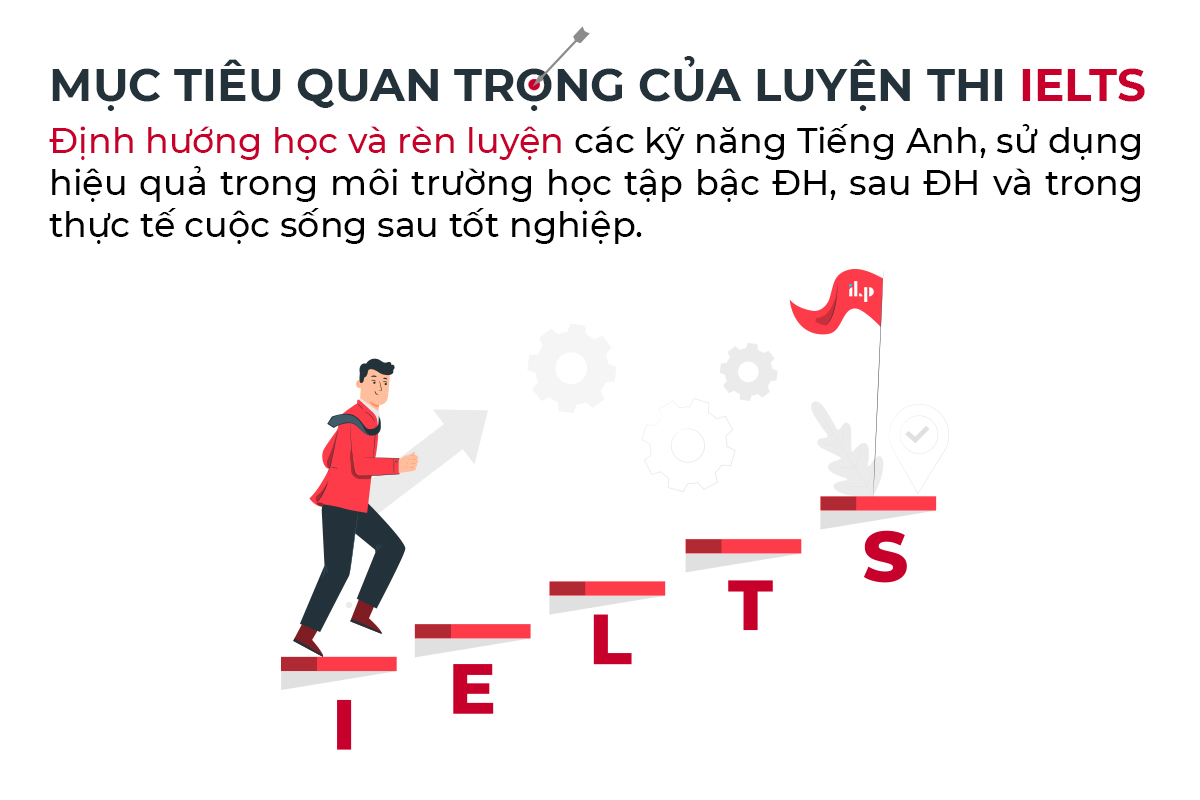
Cho nên, các bạn không nên đặt mục tiêu chỉ là “thoả mãn” giám khảo, mà hãy cố gắng hài hòa giữa việc đáp ứng yêu cầu Tiếng Anh trong bài thi IELTS và việc sử dụng Tiếng Anh trong thực tế.
Việc học Tiếng Anh không “THẬT” và sử dụng không phù hợp với hoàn cảnh sẽ tạo thói quen không tốt trong việc sử dụng ngôn ngữ, làm cho cho ngôn ngữ của các bạn trở nên “KỲ LẠ”.
Trong thực tế, việc sử dụng tiếng Anh khô cứng và dài dòng, quá chủ trọng vào chữ nghĩa quá kiểu cách, về lâu dài sẽ trực tiếp làm giảm chất lượng của việc giao tiếp tiếng Anh, vô hình tạo ra rào cản và ấn tượng không tốt cho người giao tiếp đối diện với các bạn.
|
Theo website chính thức của bài thi IELTS, có 6 nhóm lĩnh vực và ngành công nghiệp công nhận bài thi IELTS.
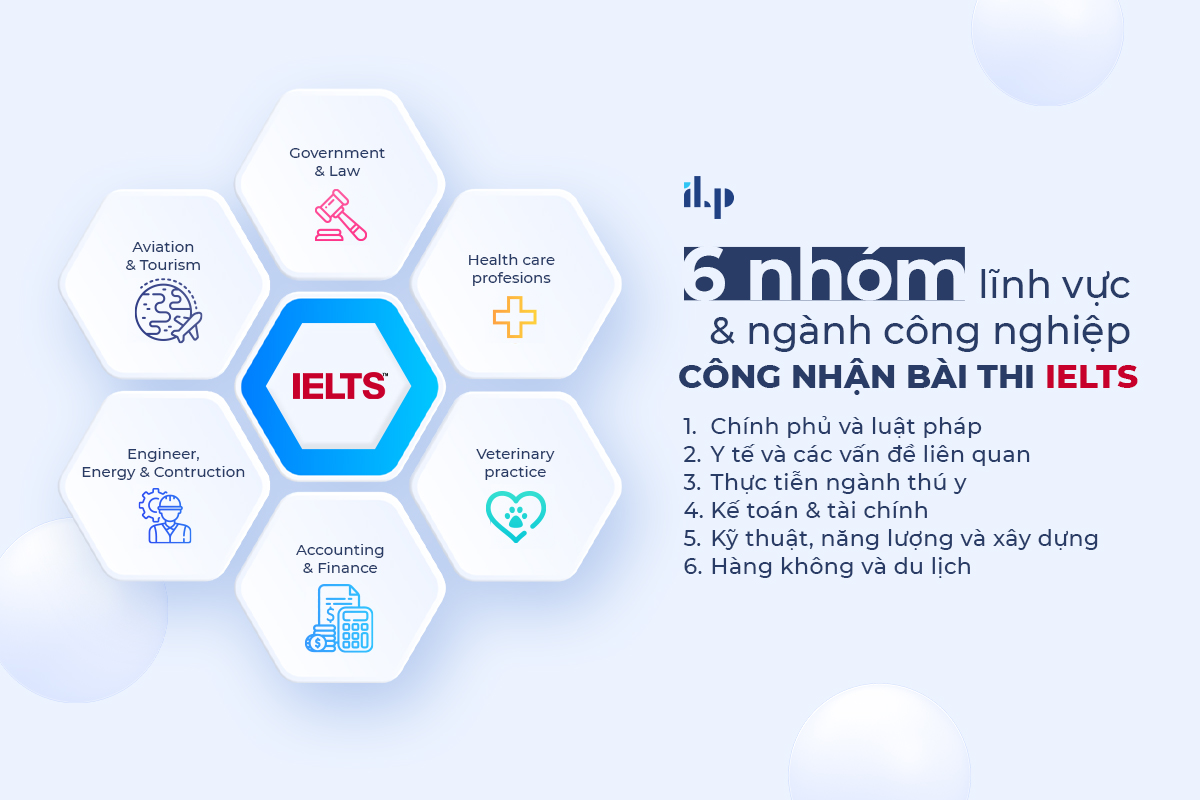
Dựa vào danh sách lĩnh vực nêu trên, các bạn nên hướng việc học từ vựng IELTS vào các lĩnh vực này.
Ngoài ra, theo thống kê của Thầy trong dữ liệu đề thi (corpus) IELTS hơn 3 triệu từ, Thầy tổng hợp được 10 lĩnh vực khoa học thường xuất hiện, bao gồm:
Dựa vào thống kê này, các bạn sẽ biết được những chủ đề trọng tâm trong quá trình học từ vựng IELTS (IELTS Vocabulary), tránh mất quá nhiều thời gian và giúp cho việc học của mình có sự định hướng rõ ràng, bám sát vào nội dung cốt lõi của bài thi.
Trong thực tế, có rất nhiều quan điểm về phương pháp học từ vựng IELTS hiệu quả. Theo Thầy, mỗi cách tiếp cận đều có những điểm điểm mạnh nhất định.
Chẳng hạn, các bạn hẳn đã nghe về cách học từ vựng IELTS theo từ đồng nghĩa và trái nghĩa, học theo gốc từ (tiền tố và hậu tố) hoặc theo chủ đề, …
Mỗi bạn sẽ có cách tiếp cận và phương pháp học từ vựng riêng, tuỳ thuộc vào năng lực bản thân, quỹ thời gian, thói quen và mục tiêu học tập.
Trong phần này, Thầy lưu ý các bạn 2 nguyên tắc cốt lõi khi học từ vựng IELTS.
Thứ nhất, các bạn KHÔNG nên tìm học các danh sách từ vựng (lists of words) đơn thuần mà hãy học từ vựng IELTS theo từng cụm chủ đề và NÊN đặt từ vựng trong ngữ cảnh thú vị và giàu thông tin. Khi đó, các bạn sẽ cảm thấy thực sự hứng thú với việc học.

Thầy ví dụ, trong sách “Focus on Vocabulary 2” (NXB Pearson) có những đoạn văn học thuật rất hay và thực tế, Thầy trích một đoạn bên dưới:
|
Rõ ràng, thay vì học một danh sách từ vựng IELTS đơn khô khan, các bạn có thể học và nhớ một loạt các cụm từ rất giàu ý nghĩa và có nhiều khả năng ứng dụng trong thực tế, áp dụng hiệu quả trong các bài viết về khoa học, công nghệ, môi trường, kinh tế, cơ khí, phát triển …
Từ đoạn văn ngắn nêu trên, Thầy sẽ lọc ra được những từ, cụm từ CHẤT, có thể ứng dụng linh hoạt trong thực tiễn, cụ thể:
Về cơ bản, bộ não chúng ta sẽ ghi nhớ tốt hơn nếu nội dung học tập giàu ý nghĩa và có nội dung thiết thực.
Nguyên tắc thứ 2, các bạn hãy học những từ cốt lõi có cùng trường ngữ nghĩa (semantic field) và có thể sử dụng trong nhiều ngữ cảnh khác nhau.
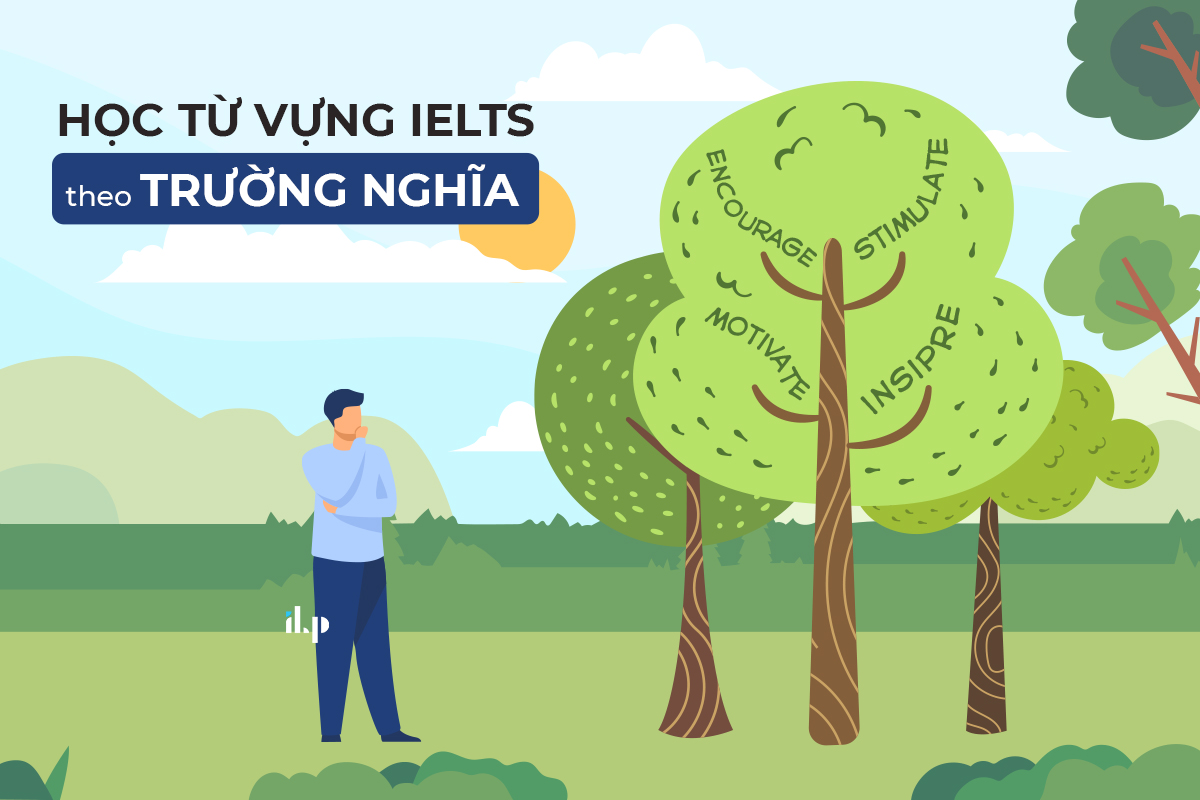
Thầy ví dụ 4 động từ cốt lõi mang ý nghĩa “tích cực” trong tiếng Anh học thuật, đó là “encourage”, “inspire”, “motivate” và “stimulate”.
Tất cả các động từ Thầy nêu ra đều nằm trong một trường ngữ nghĩa “kích thích, khuyến khích hoặc truyền cảm hứng”.
Trong các chủ đề về kinh tế, văn hóa, giáo dục và xã hội, các bạn đều có thể sử dụng hiệu quả những từ vựng trên cùng trường nghĩa nêu trên, cụ thể như sau:
|
Hiện có rất nhiều nguồn tài liệu giúp bạn có thể tự cải thiện nền tảng từ vựng IELTS rất uy tín. Bạn chỉ cần Google một chút là sẽ có vô số kết quả trả về.
Tuy nhiên, với kinh nghiệm giảng dạy, luyện thi IELTS trong hơn 10 năm qua thì theo Thầy, để có thể tự cải thiện vốn từ vựng một cách hiệu quả, các bạn nên chọn những nguồn tài liệu phù hợp với trình độ hiện tại của bản thân.
Sau đây là một vài tựa sách mà Thầy đã và đang sử dụng trong các lớp luyện thi IELTS chuyên sâu tại ILP Vietnam và nhận được khá nhiều phản hồi tích cực từ các bạn học viên.
“The Vocabulary Files” là bộ tài liệu gồm 06 cuốn sách, giúp bạn cải thiện nền tảng từ vựng IELTS theo thứ tự từ cơ bản đến nâng cao, theo 06 level dựa theo Khung Tham Chiếu Châu Âu (CEFR).

Mỗi cuốn sách có khoảng 15 Units, giúp bạn xây dựng nền tảng từ vựng IELTS theo từng chủ đề cụ thể thường xuất hiện trong bài thi IELTS, như kinh tế, giáo dục, y tế, môi trường, xã hội…
Bên cạnh đó, lượng từ vựng IELTS này được trình bày thông qua nhiều dạng bài tập với nhiều hình ảnh minh họa khác nhau, giúp bạn dễ dàng tiếp thu và ghi nhớ.
Các bạn có thể dễ dàng tìm mua trọn bộ “The Vocabulary Files” tại các nhà sách Anh ngữ chuyên ngành hoặc tại hệ thống bán hàng online của Fahasa, Tike, Shopee, …

Dù được xuất bản lần đầu vào năm 2003 và không hẳn tập trung vào từ vựng nhưng theo Thầy, cuốn sách này là nguồn tài liệu tham khảo rất tốt cho quá trình ôn luyện cho bài thi IELTS .
Với 13 bài học, tập trung vào 13 chủ đề chính, thường xuyên xuất hiện trong bài thi, cuốn sách này không chỉ giúp bạn học từ vựng một cách có hệ thống, mà còn giúp bạn trang bị thêm những ideas vô cùng hữu ích cho phần thi IELTS Speaking và IELTS Writing Task 2.
Cũng giống như bộ sách “The Vocabulary Files”, cuốn sách về từ vựng cho IELTS của tác giả Carolyn Catt cũng có thể tìm mua dễ dàng ở hệ thống các nhà sách FAHASA, Phương Nam Book, …

Tại sao lại là TOEIC Vocabulary? Tựa đề cuốn sách này nghe có vẻ hơi không liên quan đến việc học từ vựng IELTS để luyện thi phải không nào.
Tuy nhiên, theo Thầy, đây là một cuốn sách vô cùng, vô cùng hay, giúp bạn trang bị cho mình một nền tảng từ vựng vô cùng vững chắc, bao quát nhiều chủ đề khác nhau và thường gặp trong thực tế.
Cuốn sách này hiện đã được Việt hoá và được trình bày rất logic, rất dễ hiểu. Theo tác giả cuốn sách thì bạn có thể học được 7.600 từ vựng trong vòng 30 ngày. Tính trung bình thì mỗi ngày bạn có thể học được 254 từ, thực sự là một con số không tưởng.
Với những bạn có nền tảng từ vựng IELTS còn yếu thì cuốn sách này sẽ rất phù hợp để bạn có thể từ từ nâng cao, cải thiện vốn từ vựng IELTS của bản thân một cách hiệu quả.
Nhìn chung, IELTS Vocabulary (từ vựng IELTS) là một trong 03 yếu tố cơ bản, quyết định sự thành công khi bạn học bất cứ ngôn ngữ nào.
Với bài thi IELTS, bên cạnh những từ vựng thông dụng hay sử dụng trong giao tiếp, bạn còn phải trang bị thêm cho mình cho mình vốn từ vựng về các chủ đề học thuật thì mới có thể chinh phục những Band điểm cao.
Chúc các bạn ôn tập thật tốt và đạt kết quả cao trong bài thi IELTS !
Mục lục
Dưới đây là đề thi Speaking IELTS 2022 (tháng 8 – tháng 12) được tổng hợp nhằm hỗ trợ các bạn học viên tiếp cận dễ dàng với đề thi thật mới nhất, từ đó nắm vững cấu trúc phần thi IELTS Speaking và định hướng luyện tập hiệu quả.
Cùng theo dõi và chuẩn bị thật tốt cho kỳ thi IELTS nhé!
ĐỀ IELTS SPEAKING: TỔNG HỢP ĐỀ THI THẬT NĂM 2022 (THÁNG 5 – THÁNG 7)

Part 1:
Hometown
Daily routine
Part 2:
Describe the thing that you cannot live without (except your phone and internet).
You should say:
Part 3:
Part 1:
Work
Taking photos
Street market
Part 2:
Describe a song that you find interesting.
You should say:
Part 3:
NGỮ ĐIỆU TRONG TIẾNG ANH (INTONATION) QUAN TRỌNG NHƯ THẾ NÀO VÀ CÁCH CẢI THIỆN NGỮ ĐIỆU KHI NÓI
Part 1:
Hometown
Dreams
Take photos
Part 2:
Describe a rule that you don’t like at school.
You should say:
Part 3:
Part 1:
Dreams
Art/Drawing
Part 2:
Describe a long walk you ever had.
You should say:
Part 3:
Part 1:
Study/Work
Evening time
Old buildings
Part 2:
Describe a time when you were really busy.
You should say
Part 3:
Part 1:
Study/Work
Science
Reading books
Part 2:
Describe a special day out which didn’t cost very much.
You should say:
Part 3:
Part 1:
Study/Work
Bored
Evening times
Part 2:
Describe a family member who you want to work with in the future.
You should say:
Part 3:
Part 1:
Study
Reading habit/Book
Watch
Evening time
Part 2:
Describe an important event in your life that you celebrated.
You should say:
Part 3
Part 1:
Study
Computer/Tablet
Watch
Evening time
Part 2:
Describe a positive change in your life.
You should say:
Part 3:
NGHĨ IDEA KHÔNG KHÓ – CÁCH “BRAINSTORM” Ý TƯỞNG CHO BÀI IELTS SPEAKING
Part 1:
Hometown
Lost and found
Cinema
Part 2:
Describe an enjoyable place you visited in the countryside.
You should say:
Part 3:
Part 1:
Home/Accommodation
Meeting place
Part 2:
Describe a time you use your phone to do something important.
You should say:
Part 3:
Part 1:
Work/Study
Time management
Part 2:
Describe a gift you would like to buy for your friend.
You should say:
Part 3:
Part 1:
Work/Study
Reading habits
Playing sport
Part 2:
Describe a time when you were stuck in a traffic jam.
You should say:
Part 3:
Part 1:
Hometown
Home/Accommodation
Reading Habits
Collecting things
Part 2:
Describe an interesting neighbour.
You should say:
Part 3:

Part 1:
Hometown
Name
Playing sport
Part 2
Describe your favourite photograph.
You should say:
Part 3:
Part 1:
Study
Boring things
Computer/ Tablet
Part 2:
Describe a time when you used a mobile phone to do something important.
You should say:
Part 3:
Part 1:
Part 2:
Describe a city or country you most want to live in the future.
You should say:
Part 3:
Part 1:
Studies
Sports
Science
Part 1:
Part 2:
Describe an important river/lake in your country.
You should say:
Part 3:
Part 1:
Work/Study
Name
Social media
Part 2:
Describe a time when you received money as a gift.
Part 3:
Part 1:
Name
Puzzles
Part 2:
Describe an interesting story (or a novel) you have read or heard.
You should say:
Part 3:
Part 1:
Accommodation
Morning routine
Housework
Part 2:
Describe an English lesson that you Really Enjoyed.
You should say:
Part 3:
Part 1:
Work and study
Name
Morning
Part 2:
Describe a popular place for sports.
You should say:
Part 3:
Part 1:
Work/Study
Singing
Part 2:
Describe a photo that you are proud of.
You should say:
Part 3:
Part 1:
The area you live in
Neighbors
Public transportation
Puzzle
Part 2:
Describe a person you know who dresses well.
You should say:
Part 3:
Part 1:
Home/Apartment
Sport
Science
Part 2:
Describe a friend you really like to spend time with.
You should say:
Part 3:

Part 1:
Evening time
Study
Reading habits
Part 2:
Describe a quiet place where you would like to spend time.
You should say:
Part 3:
Part 1:
Work/Study
Social network
Part 2:
Describe a public place that you think needs improvements.
You should say:
Part 3:
Part 1:
Study
Housework/Cooking
Part 2:
Describe a person who has inspired you to do better in your life.
You should say:
Part 3:
Part 1:
Work
Writing
Name
Part 2:
Describe a time you had a disagreement with someone.
You should say:
Part 3:
Part 1:
Sitting Down
Daily Routine
Part 2:
Describe a positive change that you make in your life.
You should say:
Part 3:
Part 1:
Work & study
Technology
Talent
Part 2:
Describe something you do/changed that saves you time.
You should say:
Part 3:
Part 1:
Accommodation
Old building
Part 2:
Describe a contest or competition you want to participate in.
You should say:
Part 3:
Part 1:
Accommodation
Public transport
Snack
Part 2:
Describe a person you know who dresses well.
You should say:
Part 3:
Part 1:
Work/study
Evening time
Weekend
Talents
Part 2:
Describe a time when you lost something in public.
You should say:
Part 3:
Part 1:
Work and study
Old building
Sitting
Part 2:
Describe a time someone asked you for your opinion.
You should say:
Part 3:
Part 1:
Work or study
Tablets and computers
Part 2:
Describe a time when you helped a child.
You should say:
Part 3:
Part 1:
Part 2:
Describe something that surprised you.
You should say:
Part 3:
Part 1:
Accommodation
Social Media
Snacks
Part 2:
Describe a person who likes to dress fashionably.
You should say:
Part 3:
Part 1:
Accommodation
Technology devices
Computer and tablet
Part 2:
Describe a sports competition you have ever participated in.
You should say:
Part 3:
Part 1:
Work/study
Old building
Part 2:
Describe an important event that you celebrated.
You should say:
Part 3:
Part 1:
Study
Morning routine
Singing
Part 2:
Describe a person you know from a different culture.
You should say:
Part 3:
Part 1:
Work/ Study
Study in the Morning or Evening
Advertisement
Science
Part 2:
Describe a time when someone asked for your opinion.
You should say:
Part 3:

Part 1:
Work or study
Handwriting
Part 2:
Describe a photo you took that you are proud of.
You should say:
Part 3:
Part 1:
Work or study?
Stay up late at night
Part 2:
Describe a time you had a disagreement with someone.
You should say:
Part 3:
Part 1:
Work
Birthday
Morning time
Part 2:
Describe an object that you think is beautiful.
You should say:
Part 3:
Part 1: Work, Public transport, Social media
Part 2:
Describe a problem you had while shopping online or in a store.
You should say:
Part 3:
Part 1:
Hometown
Part 2:
Describe a time when you spent a long time in a traffic jam.
You should say:
Part 3:
Part 1:
Work or study
Advertisement
Part 2:
Describe an occasion when somebody said something positive about some work that you did.
You should say:
Part 3:
Part 1: Home, neighborhood, singing
Part 2:
Describe a time you get money as a gift.
You should say:
Part 3:
Part 1:
Part 2:
Describe a photo that you are proud of.
You should say:
Part 3:
Part 1:
Part 2:
Describe a difficult thing you did and succeeded.
You should say:
Part 3:
Part 1:
Part 2:
Describe a time when you were really busy.
You should say:
Part 3:
Part 1:
Part 2:
Describe a time when you shared something with others.
You should say:
Part 3:
Part 1:
House/ apartment
Keeping thing
Evening
Part 2:
Describe a surprise that made you happy.
You should say:
Part 3:
Part 1:
Work/student
Puzzles
Public transport
Part 2:
Describe a person you know who dresses well
You should say:
Part 3:
Part 1: Study, Social Media, Snacks
Part 2:
Describe a sports stadium that’s important in your city.
You should say:
Part 3:
Part 1:
Part 2:
Describe an interesting neighbor.
You should say:
Part 3:
Part 1:
Part 2:
Describe an important event in your life that you celebrated.
You should say:
Part 3:
Part 1:
Part 2:
Describe a story or a novel that was particularly interesting to you.
You should say:
Part 3:
Part 1:
Part 2:
Describe a TV program which has made a strong impression on you.
You should say:
Part 3:
Part 1:
Part 2:
Describe a time when you helped a child.
You should say:
Part 3:
Part 1:
Part 2:
Describe a person who likes to dress fashionably.
You should say:
Part 3:

Part 1: Hometown.
Part 2: Describe a TV program.
You should say:
Part 3:
Part 1:
Part 2: Describe a time when you saw a lot of plastic waste.
You should say:
Part 3:
Part 1:
Part 2: Describe a photo that you are proud of.
You should say:
Part 3:
Part 1:
Part 2: Describe an object that you think is beautiful.
You should say:
Part 1:
Part 2: Describe an object that you think is beautiful.
You should say:
Part 3:
Part 1:
Part 2: Describe a time you had a disagreement with someone.
You should say:
Part 3:
Part 1:
Part 2: Describe a childhood friend.
You should say:
Part 3:
Part 1:
Part 2: Describe a book that you enjoyed reading.
You should say:
Part 3:
Part 1: Talent
Part 2: Describe a time when you were really busy.
You should say:
Part 3:
Part 1:
Part 2: Describe a change you made in your life to help you save a lot of time.
You should say:
Part 3:
Part 1:
Part 2: Describe a time when you received money as a gift.
You should say:
Part 3:
Part 1:
Part 2: Describe an Impressive English Lesson You Had and Enjoyed.
You should say:
Part 3:
Part 1: Study or Work
Part 2: Describe something that surprised you.
You should say:
Part 3:
Part 1:
Part 2: Describe a photo that you are proud of.
You should say:
Part 3:
Part 1:
Home/Accommodation
Watch
Sitting down
Part 2: Describe a difficult decision you made that had an excellent result.
You should say:
Part 3:
Part 1:
Part 2: Describe a place in your country that you would like to recommend to visitors/travelers.
You should say:
Part 3:
Part 1:
Part 2: Describe an important event that you celebrated.
You should say:
Part 3:
Part 1: Social Media
Part 2: Describe a photo you have taken.
You should say:
Part 3:
Part 1:
Part 2: Describe a difficult decision that you once made.
You should say:
Part 3:
Part 1:
Part 2: Describe the time when you were looking for some information.
You should say:
Part 3:
Part 1:
Part 2: Describe an occasion when you got positive feedback for work that you did.
You should say:
Part 1:
Part 2: Describe something difficult you would like to succeed in doing (success).
You should say:
Part 3:
Part 1:
Part 2: Describe a part of your country that you find interesting. (Not in Vietnam)
You should say:
Part 3:
Part 1:
Part 2: Describe an invention that has changed the world in a positive way.
You should say:
Part 1:
Study
Bored
Old buildings
Part 2: Describe something you do that you think is important for keeping fit and healthy.
You should say:
Part 3:
Part 1: Social Media
Part 2: Describe a Time when You Needed to Search for Information.
You should say:
Part 3:
Part 1:
Part 2: Describe an invention that has changed the world in a positive way.
You should say:
Part 1:
Part 2: Describe an object that you think is beautiful.
You should say:
Part 3:
Part 1:
Part 2: Describe a time you had a disagreement with someone.
You should say:
Part 3:
Part 1:
Work/ Study
Social Media
Sing
Part 2: Describe a time when you received money as a gift.
You should say:
Part 3:
Part 1:
Study
Social Media
Puzzles
Part 2: Describe a time when you saw a lot of plastic waste.
You should say:
Part 3:
Part 1:
Part 2: Describe an invention that has changed the world in a positive way.
You should say:
Part 3:
Part 1:
Part 2: Describe a person who likes to grow plants.
You should say:
Part 3:
Part 1:
Part 2: Describe a place in your country or part of your country that you would like to recommend to visitors/travelers.
You should say:
Part 3:
Part 1:
Part 2: Describe a popular place for sports (e.g. a stadium) that you’ve been to.
You should say:
Part 3:
Part 1:
Part 2: Describe a friend you enjoy talking with.
You should say:
Part 3:
Part 1:
Part 2: Describe a special day out which didn’t cost very much.
You should say:
Part 3:
Part 1:
Part 2: Describe a time when you were really busy.
You should say:
Part 3:
Part 1:
Writing
Birthday
Part 2: Describe a difficult thing you did and succeeded.
You should say:
Part 3:
Part 1:
Accommodation
Computers and Tablets
Part 2: Describe a situation when you had to spend a long time in a traffic jam.
You should say:
Part 3:
Part 1:
Part 2: Describe a TV program.
You should say:
Part 3:
Part 1:
Part 2: Describe a story or a novel that was particularly interesting to you.
You should say:
Part 3:
Part 1:
Part 2: Describe a town or city you should recommend to visitors.
You should say:
Part 1:
Part 2: Describe a person you know who dresses well.
You should say:
Part 3:
Part 1:
Part 2: Describe an occasion when you got positive feedback for work that you did.
You should say:
Part 3:
Part 1:
Part 2: Describe a family member who you want to work with in the future.
You should say:
Part 3:
Part 1:
Part 2: Describe something you do that can help you concentrate on work or study.
You should say:
Part 3:
Part 1:
Part 2: Describe a Place where you go to do Outdoor Activities or Play a Sport
You should say:
Part 3:
Part 1:
Part 2: Describe a movie you would like to watch again.
You should say:
Part 1:
House/Accommodation
Advertisement
Part 2: Describe a family member who you want to work with in the future.
You should say:
Part 1:
Part 2: Describe a time when you spent a long time in a traffic jam.
You should say:
Part 3:
Part 1:
Part 2: Describe The home of someone you know well and that you often visit.
You should say:
Part 3:
Part 1:
Part 2: Describe a contest or competition you want to participate in.
You should say:
Part 3:
Part 1:
Part 2: Describe a person you know who dresses well.
You should say:
Part 3:
Part 1:
Part 2: Describe a very difficult task that you succeeded in doing as part of your work or studies.
You should say:
Part 3:
Part 1:
Part 2: Describe a photo that you are proud of.
You should say:
Part 3:
Part 1:
Part 2: Describe a photo that you are proud of.
You should say:
Part 3:
Part 1:
Part 2: Describe a novel that was particularly interesting to you.
You should say:
Part 3:
Part 1:
Part 2: Describe an occasion when somebody said something positive about some work that you did.
You should say:
Part 3:
Part 1:
Part 2: Describe a novel.
You should say:
Part 3:
Part 1:
Part 2: Describe a place you have visited that you would recommend as a good place to live.
You should say:
Part 3:
Part 1:
Part 2: Describe a time when you missed an appointment (planning).
You should say:
Part 3:
Part 1:
House
Talen
Part 2: Describe something you do/changed that saves you time.
You should say:
Part 3:
Part 1:
Part 2: Describe a time when you saw a lot of plastic waste.
You should say:
Part 3:
Part 1:
Part 2: Describe a difficult decision that you made and had a good result.
You should say:
Part 3:
Part 1:
Accommodation
Technology
Part 2: Describe an important thing you learned, not at school or college.
You should say:
Part 3:
Part 1:
Part 2: Describe a famous person in your country (Vietnam).
You should say:
Part 3:
Part 1:
Part 2: Describe a difficult decision that you once made.
You should say:
Part 3:
Part 1:
Part 2: Describe a time when you received money as a gift.
You should say:
Part 1:
Part 2: Describe a difficult decision that you once made.
You should say:
Part 3:
Part 1:
Part 2: Describe an object that you think is beautiful.
You should say:
Part 1:
Part 2: Describe an object that you think is beautiful.
You should say:
Part 1:
Part 2: Describe someone who is famous in your country.
You should say:
Part 3:
Yến Nhi
Cải thiện kỹ năng IELTS Speaking cùng Đội ngũ Học thuật ILP:
SỬ DỤNG FILLER WORDS TĂNG SỰ TỰ NHIÊN KHI NÓI TIẾNG ANH
06 “MẸO” HIỆU QUẢ GIÚP CẢI THIỆN PHÁT ÂM ENDING SOUND (ÂM CUỐI) TRONG SPEAKING
Chúc mừng Huỳnh Lê Hoa đạt điểm IELTS 7.0 Overall.
Cảm ơn em đã tin tưởng lựa chọn ILP – DỊCH VỤ IELTS.
Mong rằng em đạt được những mong muốn và dự định trong tương lai.
Trân trọng./.
Mục lục
Dưới đây là tổng hợp toàn bộ dữ liệu đề thi IELTS Writing 2022 Task 2 nhằm hỗ trợ cho quá trình luyện thi IELTS – cập nhật đến tháng 11. Hi vọng các bạn sớm đạt band điểm mục tiêu nhé!
GIẢI ĐỀ IELTS WRITING 2022: GIẢI ĐỀ THI THẬT THÁNG 5 – THÁNG 7

There have been many inventions in human history, such as the wheel. Some people think the most important thing is the internet. To what extent do you agree or disagree with this opinion?
Nowadays young people are admiring media and sports stars, even though they do not set a good example. Do you think this is a positive or negative development?
Some people think history has nothing or little to tell us, but others think that studying the past history can help us better understand the present. Discuss both views and give your opinion.

Many people depend on their cars for everyday domestic, social, and working needs. However, unlimited use of cars causes a number of problems. What are some of these problems? What can be done to reduce the use of cars?
Intelligence is the most important quality of leaders. To what extent do you agree or disagree?
Many employees may work at home using modern technology. Some people claim that it can benefit only workers, not employers. Do you agree or disagree?
The most important function of music is that it helps people reduce stress. To what extent do you agree or disagree?
Everyone should stay at school until 18. To what extent do you agree or disagree?
Many people use written language in a less formal way and in a relaxed way than in the past. Why is that so? Does this development have more advantages or disadvantages
The unlimited use of cars may cause many problems. What are those problems? In order to reduce this problem, should we discourage people from using cars?
The best way to solve the world’s environmental problems is to increase the cost of fuel for cars and other vehicles. To what extent do you agree or disagree?
Directors of large organizations earn much higher salaries than ordinary employees do. Some people think it is necessary, but others hold that it is unfair. Discuss both views and give your own opinions.
Solving environmental problems should be the responsibility of one international organization rather than each national government. Do you agree or disagree?
Interviews form the basic criteria for most large companies. However, some people think that the interview is not a reliable method of choosing whom to employ and that there are other better methods. To what extent do you agree or disagree?
As well as making money, businesses also have social responsibilities. To what extent do you agree or disagree?
IELTS WRITING TASK 2 SAMPLE BAND 7.0+: AN INCREASE IN VIOLENT CRIME

Some people believe that children that commit crimes should be punished. Others think the parents should be punished instead. Discuss both views and give your own opinion.
Giving detailed descriptions of crimes in newspapers and on TV can have negative consequences,so this kind of information should be restricted in the media. To what extent do you agree or disagree?
More and more people these days work harder and longer hours and have no time for family life and friends. What are the causes in your opinion for this? How is it affecting family life and society as a whole?
Some people believe that technology causes more problems for modern society than it solves. Do you agree or disagree?
Nowadays people use bicycles less as a form of transport. Why is that? What can we do to encourage people to use bicycles more?
All fathers should be entitled to time off from work when their children are born. To what extent do you agree or disagree?
Government should fund scientific research rather than commercial organizations. To what extent do you agree or disagree with the statement?
In some countries, people are having children at a later age in life. What are the reasons? Do the advantages outweigh the disadvantages?
It is more important to spend public money on promoting a healthy lifestyle in order to prevent illness than to spend it on the treatment of people who are already ill. To what extent do you agree or disagree?
Some people say we do not need printed newspapers anymore. To what extent do you agree or disagree with this opinion?
Some people say we do not need printed paper newspapers anymore. To what extent do you agree or disagree with this opinion?
Some people think that the best way to become successful in life is to get a university education, whereas others say this is no longer true. Discuss both these views and give your own opinion.
Studies show that many criminals have a low level of education. For this reason, people believe that the best way to reduce crime is to educate people in prison so they can get a job when leaving prison. Do you agree or disagree?
WRITING TASK 2 SAMPLE – TOPIC “WILD ANIMALS SHOULD BE PROTECTED”

There are several factors that motivate people to stay in the workforce, and money is the most important reason/factor. To what extent do you agree or disagree?
Some scientists think that there are intelligent life forms on other planets and messages should be sent to contact them. Other scientists think it is a bad idea and would be dangerous. Discuss both views and give your own opinion.
Technology has changed the way children spend their free time. Do the advantages outweigh the disadvantages?
In recent years, tourists have paid attention to preserving both the culture and environment of the places they visit. However, some people think that it is impossible to be a responsible tourist. To what extent do you agree or disagree with this opinion?
The best way to solve environmental problems is to increase the price of fuel. To what extent do you agree or disagree with this statement?
Many people believe that good planning is the key factor to success in life, while others believe that other factors like hard work or luck are important. Discuss both views and give your opinion.
Research indicates that some consumers nowadays are less influenced by advertising than in the past. What are the reasons for this? Do you think this is a positive or negative development?
Full-time students at university should spend time studying. It is essential for them to be involved in other activities. Agree or disagree?
Some people think that museums should be enjoyable places to entertain young people, while others believe that the purpose of museums is to educate. Discuss both views and give your own opinion.
In many parts of the world children and teenagers are committing more crimes. Why is this happening? How should children or teenagers be punished?
The best way to understand other cultures is to work for a multinational organization. To what extent do you agree or disagree?
In the present, people often choose to throw away things that are broken and buy new ones, but in the past people usually repaired them. What do you think about this case? What problems?
In some cities, public parks and open spaces are changed into gardens where local residents can grow their own fruit and vegetables. Do you think the benefits outweigh the disadvantages?
Today, children and teenagers are committing more crimes. Why is this the case? How should they be punished ?
As transport and accommodation problems are increasing in many cities, governments are encouraging businesses to move to rural areas. Do you think the advantages outweigh the disadvantages?
Many people think that interviews are not the best way to assess the suitability of a candidate for a position.To what extent do you agree or disagree?
Many people think that women should have given the same roles to male in the military and police forces. Many people think that women are not suitable for this job. Discuss both views and give opinions.
BÀI MẪU WRITING TASK 2: MUSIC IS A GOOD WAY OF BRINGING PEOPLE OF DIFFERENT CULTURES

Scientists tell us that some activities are good for health and others are bad. Despite knowing that, millions of people still continue doing unhealthy activities. What are the causes and what are the solutions for this?
Some people think that the main purpose of schools is to turn children into good citizens and workers, rather than to benefit them as individuals. To what extent do you agree or disagree?
Some people think that all teenagers should be required to do unpaid work in their free time to help the local community. They believe this would benefit both the individual teenager and society as a whole. Do you agree or disagree?
Nowadays people depend on technology for leisure activities. Is this a positive or negative development?
Companies use major sporting events to promote their products. Some people think it has a negative effect on sport in general. To what extent do you agree or disagree?
In some parts of the world it is increasingly popular to research the history of one’s own family. Why do people want to do this? Is it a positive or negative development?
Nowadays, most people try to balance between work and other parts of their lives. Unfortunately, not many achieve this balance. What are the problems with this? Suggest some solutions to solve the problems.
In the modern world, it is possible to shop, work and communicate with people via the internet and live without any face-to-face contact with others. Is it a positive or negative development?
Employers should give their staff at least a 4-week holiday a year to make employees better at their jobs. To what extent do you agree or disagree?
Some scientists think that there are intelligent life forms on other planets and messages should be sent to contact them. Other scientists think it is a bad idea and would be dangerous. Discuss both views and give your own opinion.
Today news plays an important role in people’s lives and news media are more influential than ever before. Why is it this case? Is it positive or negative?

Nowadays people have cosmetic surgery to improve life. Why do many more people choose these operations? Do you think this is a positive or negative development?
Environmental damage is a problem in most countries. What factors damage the environment and who should take responsibility?
Some people believe that children should be taught about recycling and avoiding waste at home, while others believe children should learn this at school. Discuss both views.
Some people say that economic growth is the only way to end hunger and poverty, while others say that economic growth is damaging the environment so it must be stopped. Discuss both views and give your opinion.
If people could choose between a life without working or a life spending too much time working, people would choose a life without work. To what extent do you agree or disagree?
Some people think watching TV is bad for children, while others think that watching TV has more beneficial effects on children. Discuss both views and give your own opinion
Some people believe that pop stars deserve to earn more money than classical music performers. Some disagree. Discuss both views and give your own opinion.
Only reason to work hard is to earn money. To what extent do you agree or disagree?
Some people say that increasing fuel costs could reduce environmental problems, do you agree or disagree?
Some people think that one of the most effective ways to deal with environmental problems is to increase the cost of fuel for cars and other vehicles. To what extent do you agree or disagree?
In education and employment, some people work harder than others. Why do some people work harder? Is it always a good thing to work hard?
Crimes committed by young people are increasing in major cities throughout the world. Discuss the causes and how to solve this problem.
Parents should encourage children to spend less time studying and more time doing physical activities. To what extent do you agree or disagree?
All fathers should be entitled to time off from work when their children are born. What is your opinion?
Art classes should be compulsory in high school. Do you agree or disagree?
Some people believe that the government should not spend money on international aid when they have their own disadvantaged people like the homeless and unemployed. To what extent do you agree or disagree?
Some believe that younger family members should be legally responsible for supporting older family members when they become physically, mentally and financially unable to look after themselves. Do you agree or disagree?
Government should support care vs finance for retired people while others believe that they should save money when they get older. Discuss both views and give your opinion?
Some people say that advertising encourages us to buy things that we really do not need. Others say that advertisements tell us about new products that may improve our lives. Which viewpoint do you agree with?
It is important for parents to read stories to children. Others think it is unnecessary because children can find them in other sources e.g books, and TV. Discuss both views and give opinions.

Any country should be able to sell goods to other countries without the restrictions of the government. Do you agree or disagree?
It is better to be unemployed in jobs rather than to be employed in jobs even if they don’t feel happy or enjoy it. Do you agree or disagree?
As major cities in the world are growing today, so do their problems. What are the problems for young people who are living in the cities as the result of continued growth? What are the solutions for these problems?
Advertisements are becoming more and more common in our everyday life. Is it a positive or negative development?
Some people say team sports (football) have lots of benefits. Others say Individual sports (swimming, tennis) are better. Discuss both views and give your opinion.
The natural resources such as oil, forests and freshwater are being consumed at an alarming rate. What problems does it cause? How can we solve these problems?
Whether or not someone achieves their aims is mostly by a question of luck. To what extent do you agree or disagree?
To succeed in business, one needs to learn and know math. To what extent do you agree or disagree?
Many different countries have most shops and products that are the same. Some people consider this to be a positive development, while others think it is a negative development. Discuss both views and give your opinion
Some people believe that to prevent illness and disease, governments should focus more on environmental pollution and housing problems. To some extent do you agree or disagree?
In some countries, more and more people are becoming interested in finding out about the history of the house or building they live in. What are the reasons for this? How can people research this?
human activity exerts negative impacts on plant and animal species. Some people believe that it is too late to solve the problem. Others say we can have effective actions to deal with the situation. Discuss both views and give your opinion.
Some human activities have negative effects on plant and animal species. Some people think it is too late to do anything about this problem while others think effective measures can be taken to improve this situation. Discuss both views and give our opinion
Widespread technology has given people more freedom to work instead of traveling to work or college. Do the advantages of this outweigh the disadvantages?
BÀI MẪU IELTS WRITING TASK 2 BAND 8.0: TOPIC ENTERTAINMENT (FILM)

In the future, there will be a higher proportion of older people than young people in many countries. Is it a positive or negative development?
Although there is a lot of translation software available, learning a language could still be advantageous. To what extent do you agree or disagree?
Machines are replacing humans in the manual workforce. Do you think the positive effects outweigh the negative effects?
The expansion of multinational companies and increase in globalization produce positive effects to everyone. To what extent do you agree or disagree with this statement?
Parents should get punished in some ways if their children break the law. To what extent do you agree or disagree?
It is argued that the parents of children who break the rules should be punished in some ways as parents are responsible for the children’s actions. To what extent do you agree or disagree?
Young people learn good behavior more from movies and books than real-life experiences. To what extent do you agree or disagree?
In recent times economic growth has made some people richer in both developed and developing countries. While studies show that people in developing countries are happier now than before, people in developed countries are no happier than they were before. Why do you think this is and what lessons can be learned from it?
The only way to improve safety on our roads is to give much stricter punishments for driving offenses. To what extent do you agree or disagree?
Some people think that young people should be required to do unpaid work helping people in the community. Do the advantages outweigh the disadvantages?
BÀI MẪU IELTS WRITING TASK 2 BAND 7.5+ CHỦ ĐỀ SHOPPING MALLS

Some people think scientific research should focus on solving world health problems. Others think that there are more important issues. Discuss both views and give your opinion.
Fewer young people choose to work in farming. What are the reasons? Should young people be encouraged to do farming work?
In some countries, schools are teaching foreign languages for primary school children. Do the advantages of this outweigh the disadvantages?
In many countries today, if people want to find a job, they have to move away from their friends and their families. Do you think the advantages of this development outweigh the disadvantages?

Some people think that people should be given the right to use fresh water as they like. Others believe governments should strictly control the use of freshwater. Discuss both views and give your own opinion.

Young people who commit crimes should be treated the same way as adults. To what extent do you agree or disagree?
Society is based on rules and laws. It could not function if individuals were free to do whatever they wanted. To what extent do you agree or disagree?
Despite the increased access to education, a significant number of people cannot read or write. What are the disadvantages and what action should the government take?
In many countries, more and more young people are leaving school and unable to find jobs after graduation. What problems do you think youth unemployment will cause to the individual and society?
Some believe that people are naturally born leaders while others feel that leadership skills can develop. Discuss both views and give your opinion.
Every day, millions of tons of food are wasted all over the world. Why do you think this is happening? And how can we solve this problem?
Some people think that the best way to solve global environmental problems is to increase the cost of fuel. To what extent do you agree or disagree?
The crime rate nowadays is decreasing compared to the past due to advanced technology which can prevent and solve the crime. Do you agree or disagree?
Some people find advertisements amusing or annoying and they are not influenced by this when they shop. To what extent do you agree or disagree?
Some people believe that no one should do the same job for all their working life. Others argue that doing the same job brings advantages for individuals, companies, and society. Discuss both views and give your opinion.
Some people think it is more important to spend money on roads and motorways than on public transport systems. To what extent do you agree?
Some people say advertising has positive economic effects. Others think it has negative social effects because it will make people dissatisfied with who they are and what they have. Discuss both views and give your own opinion.
The increase in the production of consumer goods results in damage to the natural environment. What is the cause of this? What can be done to solve this problem?
Many people argue that in order to improve educational quality, high school students are encouraged to make comments or even criticism of their teachers. Others think it will lead to a loss of respect and discipline in the classroom. Discuss both views and give your own opinion.
Some people think the main benefit of international cooperation is in the protection of the environment, while others think that the main benefits are in world business. Discuss both views and give your opinion.
In the past, people stored knowledge in books. Nowadays people store knowledge on the internet. Do you think the advantages outweigh the disadvantages?
Cải thiện kỹ năng IELTS Writing Task 2 cùng Đội ngũ Học thuật ILP:
PHÂN TÍCH CHI TIẾT VỀ MỆNH ĐỀ TRẠNG NGỮ (ADVERBIAL CLAUSE) VÀ ỨNG DỤNG TRONG IELTS WRITING
CÁCH SỬ DỤNG CÁC TỪ NỐI CHỈ THỨ TỰ (SEQUENCING) TRONG IELTS WRITING